Are Pinto Beans The Same As Kidney Beans

Beans are among the most popular and affordable staple foods found in kitchens around the world. They provide substantial protein, fiber, and essential nutrients while fitting...
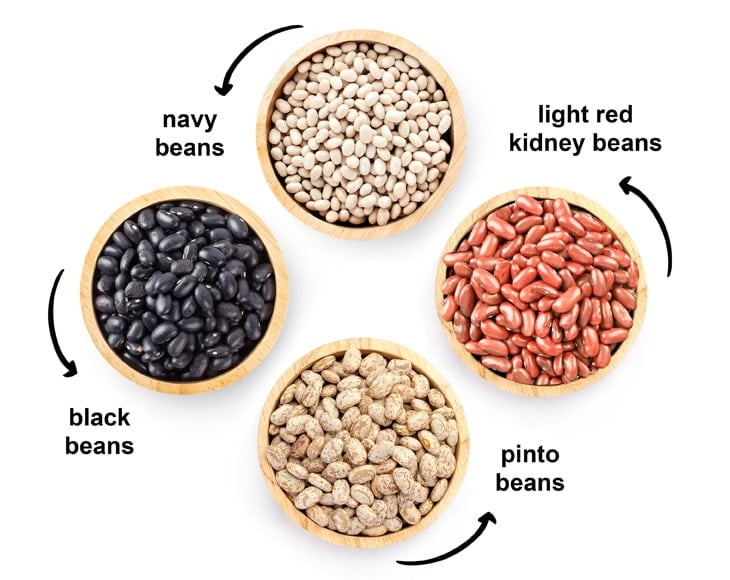
Beans are among the most popular and affordable staple foods found in kitchens around the world. They provide substantial protein, fiber, and essential nutrients while fitting comfortably into virtually any cooking style. Yet despite their widespread use, many people still confuse pinto beans with kidney beans because of their similar shape, size, and versatility in recipes. Understanding the differences between these two beloved varieties empowers home cooks to select the right bean every time, leading to better flavor, texture, and nutrition in each dish.
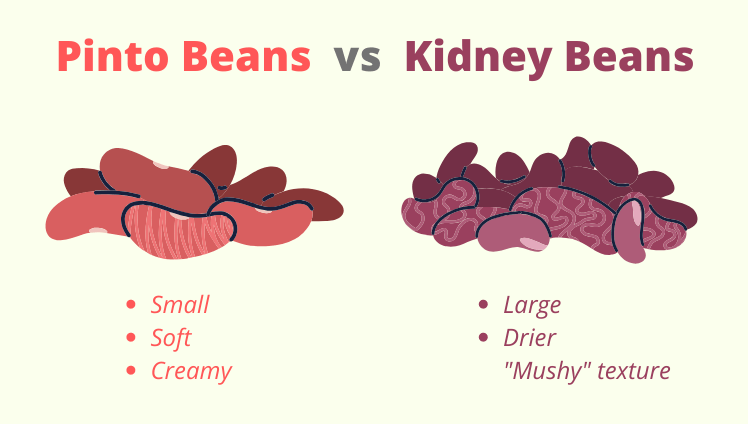
Pinto beans are small, oval-shaped legumes with a pale beige color speckled with pink or brown patches, which gives them their name—pinto means "painted" in Spanish. Kidney beans, on the other hand, are slightly larger, glossier, and deeper in color, ranging from bright red to dark mahogany, and their curved, elongated shape closely resembles an actual kidney. While both beans may look roughly similar at a glance, their distinct visual characteristics make them easy to tell apart once you know what to look for, especially when they sit side by side in the grocery store.
Their culinary applications also diverge in meaningful ways. Pinto beans are the traditional backbone of Tex-Mex cooking, appearing in refried beans, burritos, and enchiladas where they need to mash down into a creamy, spreadable consistency. Kidney beans hold their firm shape through long simmering, which makes them ideal for chili con carne, red kidney bean salads, and hearty soups where each bean should remain distinct and intact. Choosing the wrong bean in a recipe can affect not only the final taste but also the overall texture and presentation of the meal—an important consideration for anyone who values cooking precision.
Must Read
From a nutritional standpoint, the two varieties are remarkably close but not identical. Both are excellent sources of plant-based protein, dietary fiber, iron, and folate, yet kidney beans typically contain slightly higher levels of potassium and antioxidants linked to cardiovascular health, while pintos may edge ahead in certain B-vitamin counts. For anyone tracking micronutrients—whether due to personal health goals, dietary restrictions, or simply an interest in mindful eating—recognizing these subtle differences can help build more targeted and balanced meals.
Another practical consideration involves preparation and safety. Both pinto and kidney beans contain natural lectins, a compound that can cause digestive discomfort if undercooked. This means that regardless of which variety you choose, thorough soaking and proper cooking at high temperatures are non-negotiable steps. Many experienced cooks also recommend pressure cooking the beans entirely, as it eliminates lectins more reliably and cuts down preparation time considerably—especially helpful on busy weeknights when you want a fast yet nourishing dinner on the table.
 black beans vs pinto beans - Pregnant Health Tips
If you want to explore this topic on your own, here are a few hands-on tips: compare both varieties directly at your local market to install a visual memory of their differences; try making the same recipe with each type side by side to notice how flavor and texture shift; and keep a simple cooking journal where you record which bean performed best in soups, stews, salads, and spreads.
To sum up, pinto and kidney beans are not the same, though they share a family resemblance that often leads to confusion. They differ in appearance, texture, nutritional profile, and best culinary uses, yet both deserve a permanent place in a well-stocked pantry. By taking a little time to learn their unique traits, you will cook with greater confidence, avoid common recipe mistakes, and ultimately enjoy richer, more satisfying meals every day.


