Are Pickles Cucumbers The Same

So, you’re standing in the grocery aisle, staring at a jar of pickles and a pile of cucumbers, and the Big Question hits you: Are they… the same thing? It’s one of those cosmi...
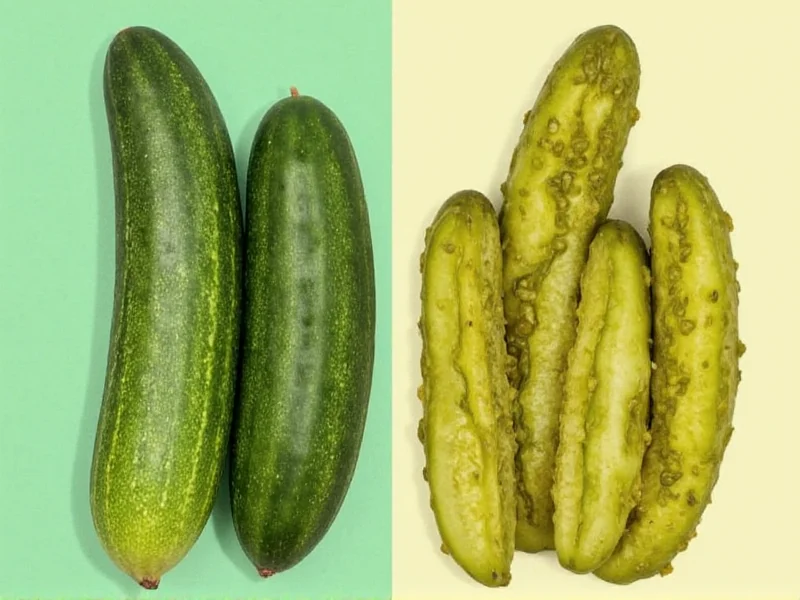
So, you’re standing in the grocery aisle, staring at a jar of pickles and a pile of cucumbers, and the Big Question hits you: Are they… the same thing? It’s one of those cosmic food mysteries, right up there with “Is a hot dog a sandwich?” or “Why does the cookie dough always taste better raw?” Let’s settle this once and for all, with a big, crunchy bite of truth.
First, the short answer: Yes, a pickle starts life as a cucumber. Every single pickle you’ve ever loved—dill, sweet, bread-and-butter, or that funky sour one your grandma hoarded—was once a humble, green, salad-ready cucumber. But here’s the twist: not every cucumber becomes a pickle. It’s like saying all humans were once babies, but not all babies grow up to be astronauts. Or jazz musicians. Or people who can parallel park on the first try. A cucumber just happens to be the blank canvas.
Here’s where the story gets juicy. The cucumbers that get pickled are special. They’re not your standard “slap-on-a-sandwich” English cucumber or those waxy supermarket ones. Pickling cucumbers, often called Kirby cucumbers, are shorter, bumpier, and have a thinner skin. Why? Because they’re designed to absorb brine like a sponge at a pool party. They’re the overachievers of the cucumber world. Regular cucumbers? Too watery. Too seedy. They’d turn into a sad, mushy mess. So, technically, a pickle is a cucumber, but a cucumber is a pickle only after a magical, vinegary bath.
Must Read
Now, let’s talk about the transformation. You drop a cucumber into a brine of water, vinegar, salt, and maybe some dill or garlic. At first, it’s just a green log. But then… time happens. The salt draws out water, the vinegar gets in, and the crunch settles in for the long haul. After a few days or weeks, you have a pickle—a tangy, salty, often garlicky sensation that makes your mouth pucker in a way a plain cucumber never could. A cucumber is an introvert; a pickle is the life of the party who yells, “More pickles, please!” at the barbecue.
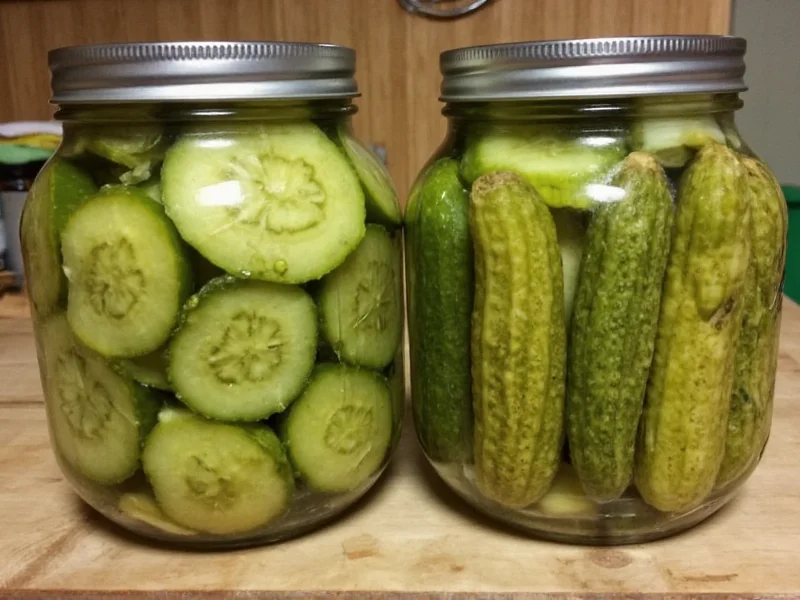 Pickled Cucumbers vs Pickles: The Real Difference Explained
But wait—what about pickles that aren’t cucumbers? Oh, you trickster. You’re thinking of pickled beets, pickled okra, or that jar of pickled eggs sitting at the back of your uncle’s fridge. Those are pickled items, but they are not pickles. In the common, everyday, “please pass the pickle” sense, pickle means cucumber that went to brining boot camp. So when someone says, “I love pickles,” they’re almost always talking about cucumbers that did their time. Unless they’re weird, but we love them anyway.
Here’s a fun fact to whip out at parties: pickling is an ancient magic trick. It started as a way to preserve food before refrigerators existed. Ancient Mesopotamians were pickling cucumbers around 2400 BC. That means cucumbers were getting brined before the pyramids were built. Imagine building a pyramid and having a pickle break. “Hey, Khufu, pass the fermented gherkins!” They were onto something.
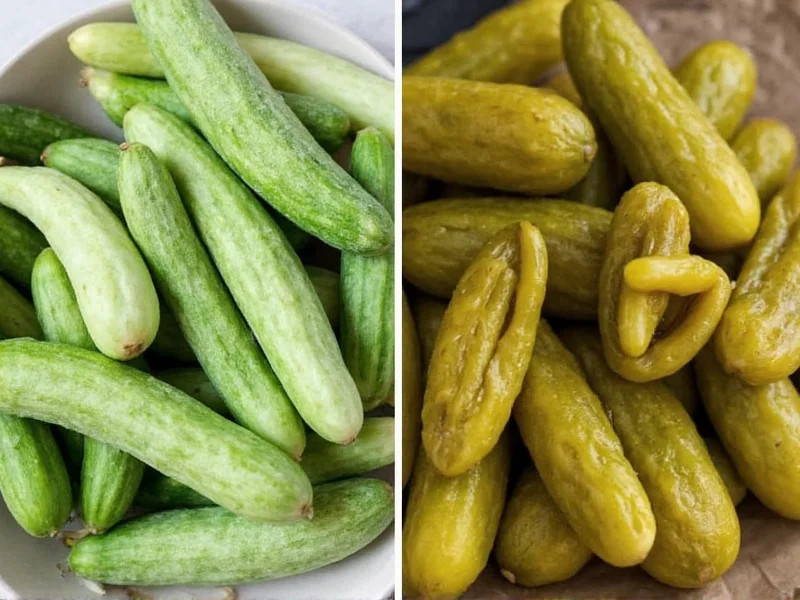 Pickled Cucumbers vs Pickles: The Real Difference Explained
So, to wrap this up: Are pickles cucumbers the same? Yes, in a “you are your past self” kind of way. A pickle is a cucumber that went on an adventure. It saw things, soaked things, and came back with a sour attitude and a zest for life. A cucumber is a pickle who hasn’t found their courage yet. You wouldn’t say a butterfly is a caterpillar, but you also know the truth.
Next time you bite into a crunchy dill spear, smile. You’re not just eating a vegetable. You’re eating history, science, and a little bit of sass. And if anyone tries to argue that a pickle isn’t a cucumber? Just wink and say, “It’s complicated—but deliciously so.” Now go, grab a pickle, a cucumber, and live your best, tangy life. You’ve earned it.
