Are Kidney Beans And Cannellini Beans The Same

For home cooks and food enthusiasts, the world of beans offers a delightful mix of textures, flavors, and culinary possibilities. Whether you’re crafting a hearty chili, a cre...

For home cooks and food enthusiasts, the world of beans offers a delightful mix of textures, flavors, and culinary possibilities. Whether you’re crafting a hearty chili, a creamy salad, or a comforting soup, beans are a staple that bring both nourishment and satisfaction. Among the most commonly confused varieties are kidney beans and cannellini beans. While they may share a spot in the pantry, they are not the same, and understanding their differences can elevate your cooking and help you make smarter choices for your meals.
The primary purpose of distinguishing these beans is to ensure the success of your recipe. Kidney beans, with their deep red color and robust shape, are known for their firm texture and ability to hold up during long cooking times. They are a classic choice for dishes like chili con carne or spicy bean stews, where a sturdy bean that absorbs bold flavors is essential. In contrast, cannellini beans—also called white kidney beans—are creamy and tender with a mild, nutty flavor. They shine in Italian dishes such as minestrone, Tuscan bean soup, or simple salads, where their soft texture blends beautifully with olive oil and herbs.
The benefits of knowing which bean to use extend beyond taste. For everyday life, this knowledge saves time and prevents kitchen mishaps. Imagine preparing a quick weeknight dinner: if you swap cannellini beans for kidney beans in a slow-cooked chili, you might end up with a mushy, less defined texture that lacks the hearty bite you wanted. Conversely, using kidney beans in a delicate white bean dip could result in a grainy, less silky consistency. By choosing the right bean, you ensure your dish turns out as intended, making meal prep more efficient and enjoyable.
Must Read
Nutritionally, both beans are excellent sources of plant-based protein, fiber, and essential minerals like iron and magnesium. However, there is a critical safety difference. Raw or undercooked kidney beans contain high levels of lectin (phytohaemagglutinin), which can cause severe digestive upset. They must be boiled vigorously for at least 10 minutes before being added to slow cookers or other recipes. Cannellini beans also contain lectins, but at lower levels, so proper cooking—like soaking and boiling—is still important, though the risk is less acute. This makes proper preparation non-negotiable for kidney beans, while cannellini beans are slightly more forgiving.
Let’s put this into context with a practical scenario. You’re hosting a potluck and want to make a crowd-pleasing three-bean salad. Using kidney beans gives you that striking red color and firm bite, while cannellini beans contribute a creamy contrast that balances the crunch of chickpeas and green beans. If you used only one type, the salad might lack visual appeal or textural variety. Another example: when preparing a creamy white bean spread for bruschetta, cannellini beans are ideal because they blend into a smooth, velvety paste, whereas kidney beans would create a thicker, chunkier spread more suited for a hearty dip.
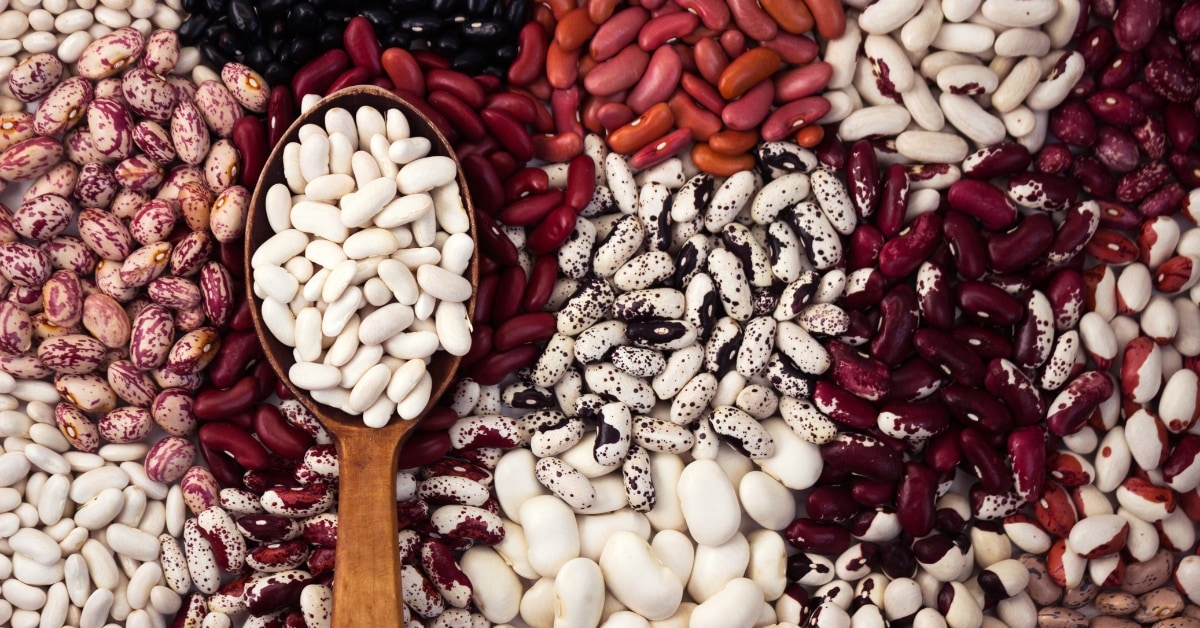 17 Popular Types of Beans (+ How to Use Them) - Insanely Good
For those eager to explore on their own, here are a few simple tips. First, always check the recipe—if it calls for a specific bean, try to stick with it for best results. Second, when substituting, remember that cannellini beans can replace kidney beans in dishes where a softer texture is welcome (like soups), but avoid the reverse. Third, experiment with cooking times: kidney beans require longer simmering (about 1–2 hours after soaking) compared to cannellini beans, which cook faster. Finally, consider color and presentation—kidney beans add a bold, rustic touch, while cannellini beans bring a clean, elegant look to salads and pastas.
In summary, kidney beans and cannellini beans are distinct ingredients with unique roles in the kitchen. By appreciating their differences in texture, flavor, and cooking requirements, you can make more confident decisions that enhance your meals. Whether you’re preparing a spicy stew or a light summer salad, choosing the right bean not only improves taste and safety but also enriches your everyday cooking experience. So next time you reach for a can or a bag of dried beans, pause and consider—which texture and flavor does your dish truly need? Your taste buds will thank you.

