Are Great Northern Beans White Beans

Okay, let’s settle this once and for all. You’re standing in the grocery aisle, staring at a bag of Great Northern beans, and a tiny, urgent voice in your head whispers: Are t...
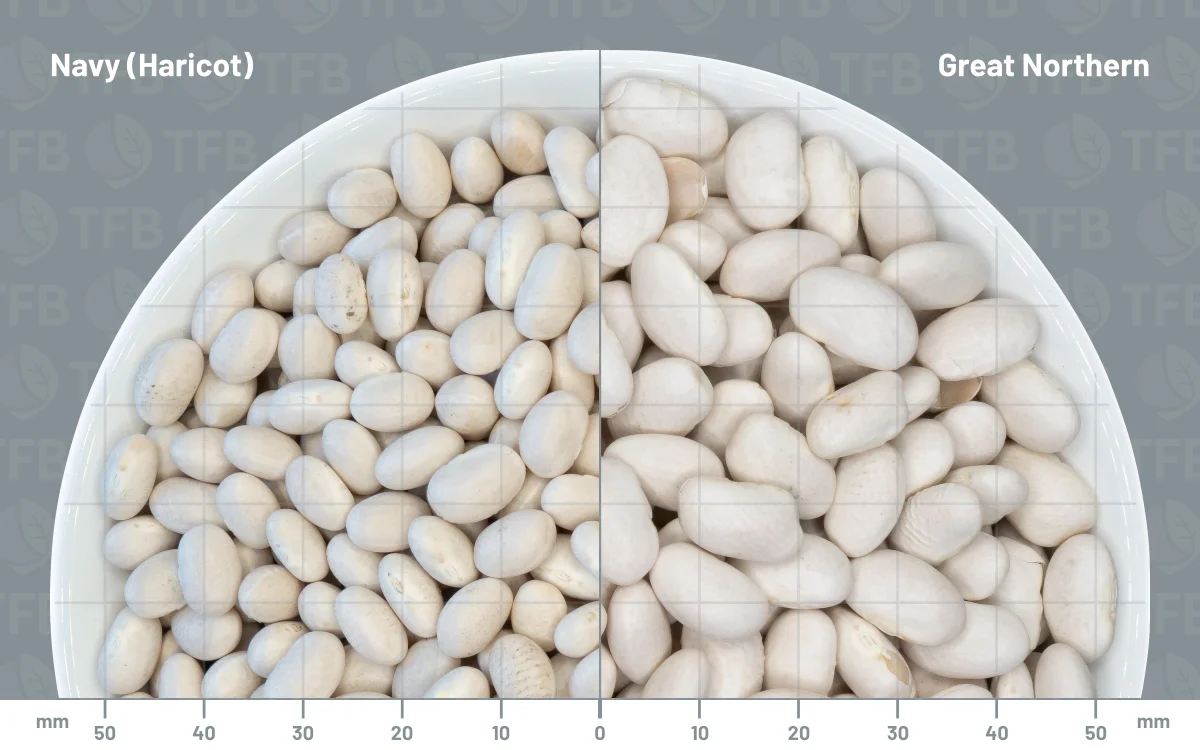
Okay, let’s settle this once and for all. You’re standing in the grocery aisle, staring at a bag of Great Northern beans, and a tiny, urgent voice in your head whispers: Are these… white beans? Or is that a trick question? Friend, I hear you. The world of legumes can be a confusing place. But grab a mug of something cozy, because we’re about to crack this creamy, beige-colored case wide open.
The short, glorious answer is: Yes, Great Northern beans are absolutely white beans. But—and there’s always a “but” in the bean world, isn’t there?—they’re not the white bean. Think of it like this: “White bean” is a big, happy umbrella term. Under that umbrella, you’ve got a whole party going on. There’s the plump, buttery Cannellini bean (the Italian superstar), the tiny, tender Navy bean (the baked bean hero), and then there’s our friend, the Great Northern. It’s like the cool, dependable cousin in the family. Not quite as flashy as Cannellini, not quite as petite as Navy, but possessing a perfectly balanced magic all its own.
So, what makes a Great Northern a Great Northern? Imagine you took a Cannellini bean and gave it a gentle squeeze—you’d get a Great Northern. It’s a touch smaller, with a slightly thinner skin and a flavor that whispers rather than shouts. It’s nutty, it’s mild, and it has this incredible talent for soaking up whatever broth, herb, or spice you throw at it without turning to total mush. It’s the bean equivalent of that friend who lets you pick the movie and the restaurant and still has a great time. A true treasure.
Must Read
Now, why does this distinction matter in your kitchen? Because you don’t want to treat a Great Northern like its bigger, meatier cousin. Toss them in a long-simmered Italian stew meant for Cannellini, and they might break down a little faster. But oh, for a classic American soup—like a rustic ham and bean soup, or a silky white chicken chili? That’s where the Great Northern shines. They hold their shape just enough, offering a creamy bite without feeling like you’re eating paste. They’re also the unsung hero of a creamy dip. Skip the hummus and try blending Great Northerns with roasted garlic, lemon juice, and a glug of olive oil. You’ll be licking the food processor. (Don’t pretend you haven’t.)
Let me also debunk a myth: No, they are not the same as cannellini. I know, I know. They look similar in the bin. But cannellini are kidney-shaped and robust. Great Northerns are more oval and, dare I say, chill. And please, for the love of all things starchy, don’t confuse them with Lima beans. That’s a whole different personality—greenish, buttery, and slightly suspect to some palates. We don’t go there. Great Northerns are friends to all.
 What Are Great Beans? A Look at These Hardy, Hearty Legumes
So next time you’re at that shelf, grab the bag with confidence. You now speak fluent Bean. You know that Great Northerns are indeed white beans—the quiet, adaptable, and utterly delicious middle children of the legume family. They’re not trying to be the star of the show; they’re just trying to make your soup incredible. And honestly? That’s a beautiful way to live.
So here’s your uplifting conclusion, friend: Life, like a bag of beans, is full of beautiful distinctions. Some are big and bold, some are small and tender, and some—like the Great Northern—are perfectly, wonderfully in-between. They remind us that you don’t have to be the biggest or the flashiest to be absolutely essential. You just have to show up, soak up the good stuff, and make everything around you a little bit richer. Now go forth, and simmer something lovely. You’ve got this—and so do the beans.
