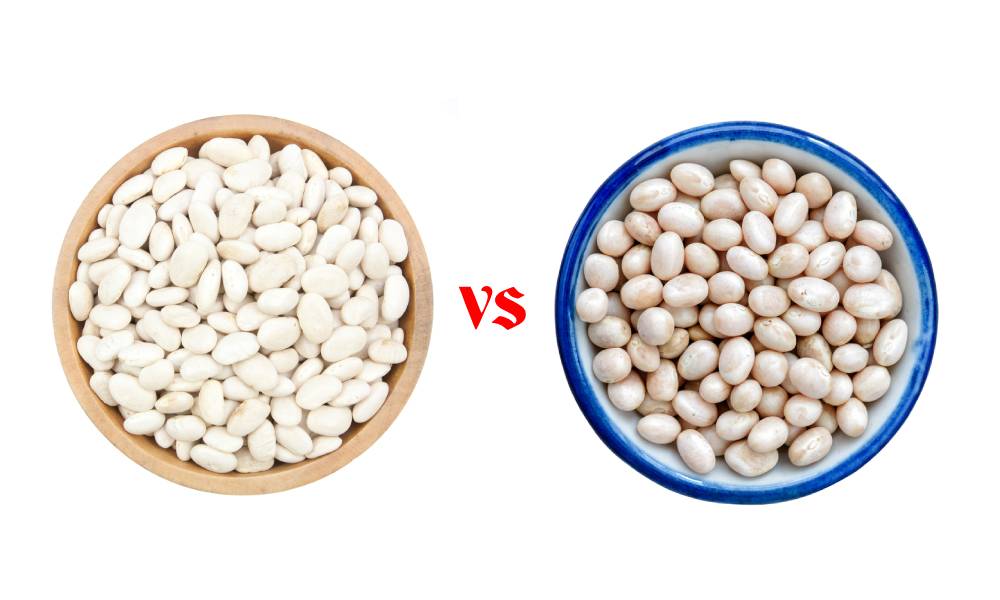
Are Great Northern And Cannellini Beans The Same

Welcome, bean lovers and kitchen explorers! Have you ever stood in the grocery aisle, squinting at a can of Great Northern beans and a can of Cannellini beans, wondering if th...

Welcome, bean lovers and kitchen explorers! Have you ever stood in the grocery aisle, squinting at a can of Great Northern beans and a can of Cannellini beans, wondering if they’re just the same white bean in different costumes? You’re not alone—this is one of the most common culinary mix-ups, and it’s a delightfully fun mystery to solve. Understanding the difference isn’t just for trivia night; it’s a practical superpower that can transform your soups, salads, and stews from good to unforgettable. By the end of this article, you’ll know exactly when to swap them, when to stick with the original, and how to make your cooking less stressful and more delicious. Let’s dive into this white-bean detective story!
First, let’s set the record straight: Great Northern and Cannellini beans are not the same, but they are close cousins in the vast legume family. Think of them like two siblings who share a last name but have very different personalities. Great Northern beans are smaller, with a thin, delicate skin and a mild, slightly nutty flavor. They’re the quiet, reliable type that holds its shape wonderfully in long-simmered dishes. Cannellini beans, on the other hand, are larger, kidney-shaped, and have a creamy, buttery texture with a rich, earthy taste. If Great Northerns were a gentle piano, Cannellinis would be a full-bodied cello—both beautiful, but they sing different songs in your pot.
Here’s where it gets creative in the kitchen. Imagine you’re making a classic minestrone soup. If you use Cannellini beans, their creamy interior will melt slightly into the broth, giving you a velvety, hearty base that coats every spoonful. Now, try Great Northern beans in the same soup—they’ll stay firmer, like little pearly pearls that pop with each bite, adding a pleasant textural contrast to the soft vegetables. For a Tuscan white bean salad with tuna and red onion, Cannellinis’ buttery richness pairs beautifully with the tangy dressing, while Great Northerns offer a lighter, cleaner canvas that lets the herbs shine. Think of them as tools, not twins: choose based on the texture you crave.
Must Read
Now, let’s talk about the visual and practical differences that matter to you. When you open a can, size is your first clue: Cannellinis are noticeably bigger, almost like small lima beans, while Great Northerns are more uniform and petite. But here’s a pro tip: if you’re making a white bean dip or hummus, Cannellinis are your go-to because they blend into an unbelievably silky puree—no gritty texture. For a casserole or baked bean dish that needs to hold up to heat, Great Northerns are more forgiving because their firmer skin resists bursting. And for soups that simmer for hours, both work, but Cannellinis will eventually break down into a thick, creamy sauce—which might be exactly what you want for a lush, winter comfort dish. The rule: whole beans for shape, creamy beans for body.
What about cooking tips for the home chef? First, don’t be afraid to swap them when a recipe calls for one and you only have the other. Just remember that Cannellinis cook faster and soften more, so if you’re using dry beans, adjust your simmer time. For Great Northerns, give them an extra 10–15 minutes to get tender. If you’re using canned beans (most of us do!), always rinse them thoroughly to remove excess sodium and that slimy liquid—this keeps your dish tasting fresh, not tinny. And here’s a fun flavor trick: toss a bay leaf and a sprig of rosemary into the pot with any white bean. Cannellinis soak up herbs like sponges, while Great Northerns let their subtle sweetness peek through. Experiment boldly—your taste buds are the ultimate judge.
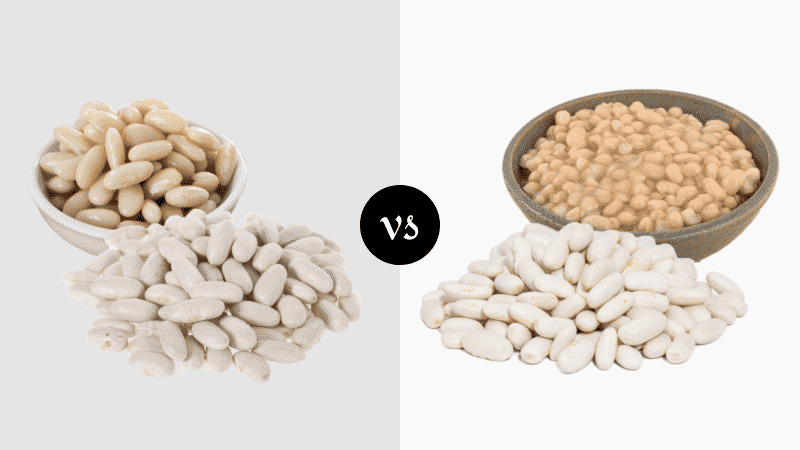 Cannellini Beans vs Great Northern Beans: What's The Difference? - Miss
Let’s talk about cultural context because these beans aren’t just cans—they’re storytellers. Cannellini beans are the star of Italian cucina povera (the “poor kitchen” that celebrates simple, rich ingredients). They’re essential in ribollita, a thick Tuscan bread soup, and in pasta e fagioli, where their creaminess binds the dish. Great Northern beans, meanwhile, hail from North America—they were a staple for Native Americans and early settlers, prized for their versatility and long shelf life. You’ll find them in Boston baked beans, hearty chili, and classic American bean casseroles. So when you choose one over the other, you’re not just picking a texture—you’re choosing a culinary tradition. Pretty cool, right?
Finally, here’s your takeaway cheat sheet for the next time you’re at the store. Pick Great Northern beans when you want structure, mildness, and reliability—for salads, soups where you want visible beans, or dishes that will be reheated multiple times. Choose Cannellini beans when you crave creaminess, richness, and a flavor that hugs your mouth—for dips, purees, slow-cooked stews, or anything where you want the beans to become part of the sauce. And remember: both are packed with fiber, protein, and heart-friendly nutrients, so you can’t go wrong. The real joy is tasting the difference yourself. So buy a can of each this weekend, make two versions of your favorite bean dish, and have a taste test party with friends or family. Who knew beans could be this exciting? Happy cooking!