Are Dumplings And Potstickers The Same Thing

Ever stood in front of a restaurant menu, looked at "Dumplings" on one line and "Potstickers" on another, and thought… wait, aren't those the same thing? Trust me, you're not...
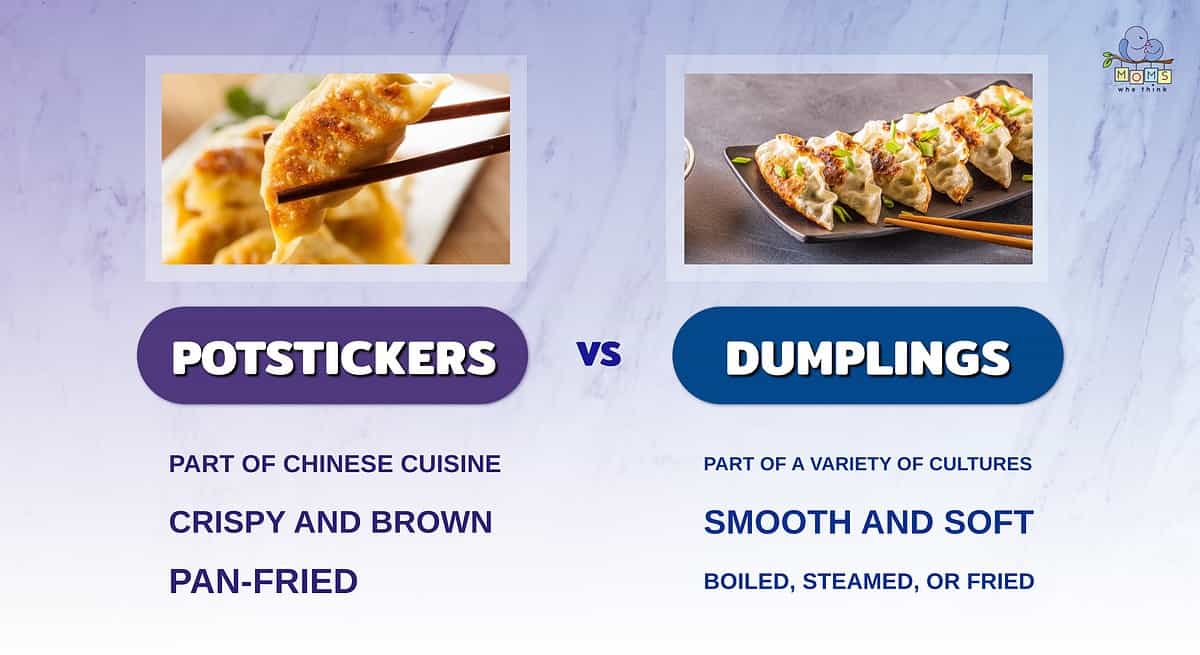
Ever stood in front of a restaurant menu, looked at "Dumplings" on one line and "Potstickers" on another, and thought… wait, aren't those the same thing? Trust me, you're not alone in this culinary identity crisis. Let's settle this once and for all, with a side of humor and a generous dip of soy sauce.
Dumplings: The All-Encompassing Hero
A dumpling is basically any small piece of dough wrapped around a filling, then cooked somehow. Think of it as an umbrella term — like calling all dogs "puppies" because you're too lazy to specify the breed.
From Chinese jiaozi and xiaolongbao to Polish pierogi and Polish gnocchi… no wait, gnocchi is Italian. See? Even I got confused. The point is: dumplings are everywhere, and they come in a wild variety of shapes, sizes, and cooking methods.
Must Read
Boiled, steamed, fried, baked — if it's dough wrapped around goodies, it qualifies as a dumpling. It's like saying "bread" instead of "sourdough," because yes, it's technically correct, but you're missing all the delicious details.
Potstickers: The Fancy Cousin with a Role to Play
Now, potstickers are a specific type of dumpling, and they have a very particular personality. They're the dumpling that says, "I refuse to be boiled like the rest of you peasants."
Potstickers — inspired by Chinese guotie — are pan-fried on one side until golden and crispy, then steamed briefly so the filling cooks through. That two-step cooking process gives them their signature crunchy bottom and soft, pillowy top.
 Potstickers vs. Dumplings – What's The Difference?
The name "potsticker" allegedly comes from the fact that they tend to stick to the pot during those first frantic seconds of frying. Someone once looked at a dumpling welded to their pan like it owed them rent money and thought, "Yep, that's the name."
So, Are They the Same or Not?
Short answer: No. All potstickers are dumplings, but not all dumplings are potstickers. It's the classic "all squares are rectangles, but not all rectangles are squares" situation — except way more delicious.
Boiled dumplings are just… dumplings. Steamed dumplings are still just dumplings. But potstickers made their deliberate choice to be fried, and they deserve recognition for that commitment to crunch.
 Dumplings vs Potstickers: The Distinction Between These Delicious Foods
Calling a potsticker "just a dumpling" is like calling the Grand Canyon "just a hole in the ground." Technically true, but it completely misses the drama.
The Bigger Picture (That Nobody Asked For)
What makes this topic so fascinating is how often food names confuse even the biggest foodies. The dictionary defines dumplings as anything dough-wrapped, which means potstickers, ravioli, empanadas, and even cereal-enclosed bites all fall under that definition. But we know in our hearts they belong to different kingdoms.
Culinary purists will argue all day if you let them, and trust me, they will let you. Bring up potstickers at a family dinner and watch three generations start debating whether a pierogi counts as an Asian dumpling. Things escalate fast.
 Potstickers Vs. Dumplings: What's the Difference?
The Punchline You Didn't Know You Needed
Here's the real kicker: most lecture goers can't tell the difference when they're eating for free at a buffet. We all just grab the crispy-bottom one first, shoveling it into our mouths like goblins standing around a stolen treasure chest.
So whether you call it a dumpling or a potsticker, remember that food doesn't care about labels — it only cares about getting into your mouth. And honestly? That mindset might apply to more things in life than we'd like to admit.
Bottom line: dumplings are the big, beautiful family; potstickers are the overachieving cousin who insisted on being pan-fried and now won't stop bragging about it. Respect both. Eat both. Argue about both at the table, but politely.
