Are Crushed And Stewed Tomatoes The Same

There is something magical about the humble tomato. From a simple slice on a sandwich to a complex Italian ragu, its versatility is unmatched. For home cooks and professional...
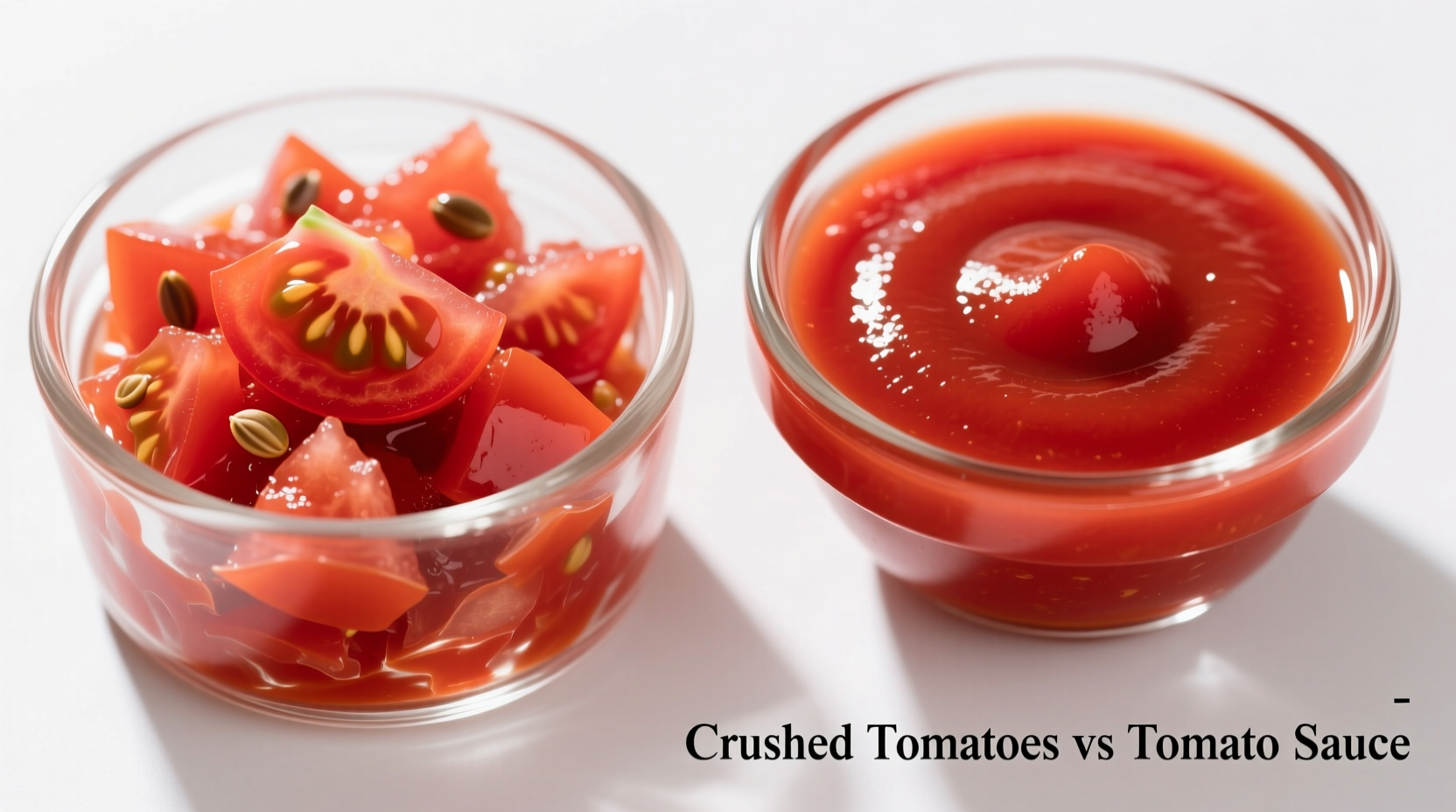
There is something magical about the humble tomato. From a simple slice on a sandwich to a complex Italian ragu, its versatility is unmatched. For home cooks and professional chefs alike, the key to unlocking a tomato’s deepest flavor often lies in how it is prepared. Two of the most common forms you’ll find in cans or make at home are crushed tomatoes and stewed tomatoes. While they both start with the same fruit, they serve very different purposes in the kitchen. Understanding this difference is not just culinary trivia; it is a small but mighty secret to improving your everyday cooking, helping you avoid a watery sauce or a clunky soup. A quick glance at a recipe and a smart choice can elevate a weeknight dinner from fine to fantastic.
The primary difference lies in their texture and processing method. Crushed tomatoes are exactly what they sound like: whole, peeled tomatoes that have been crushed into a coarse, chunky puree. They often include tomato puree or sauce added to achieve a thick, spoonable consistency. Their purpose is to provide a perfect middle ground between a smooth sauce and whole chunks of fruit. Stewed tomatoes, on the other hand, are whole or halved tomatoes that have been slowly cooked in their own juices, often with a small amount of sugar, celery, onion, and green pepper. They are left in larger, tender pieces and are packed in a thinner, seasoned juice. Think of crushed tomatoes as a blank canvas for building a sauce, while stewed tomatoes are a pre-seasoned, ready-to-eat ingredient.
For the busy home cook, knowing this distinction can save a dish. Imagine you are making a quick weeknight spaghetti Bolognese. You need a thick, rich base that will coat the pasta and blend with ground meat. Here, crushed tomatoes are your best friend. They break down beautifully as they simmer, releasing a concentrated, savory flavor without becoming too liquidy. In contrast, if you use stewed tomatoes, you’ll end up with a sweet, chunky sauce with distinct pieces of vegetable, which might feel out of place. Now imagine a simple side dish of slow-cooked green beans or a hearty bowl of chili. This is where stewed tomatoes shine. Their built-in seasonings (especially the bell pepper and onion) add a homey, comforting depth that crushed tomatoes, with their neutral profile, cannot match. The scenario changes the choice.
Must Read
The benefits of each extend to their nutritional and practical applications. Both are rich in lycopene, a powerful antioxidant, but the cooking process enhances its bioavailability in both forms. Crushed tomatoes offer a modular convenience: you control the salt, herbs, and spices, making them ideal for low-sodium diets or when you want a very specific flavor profile like a delicate marinara. Stewed tomatoes offer time-saving depth. They are a one-jar solution for adding moisture and a sweet-savory foundation to soups, braised meats, or even a simple rice pilaf. Their pre-cooked nature means they integrate into a dish faster, which is a huge benefit on a busy Tuesday evening.
To explore this difference yourself, start with a simple taste test. Open a can of each and sample a spoonful. Notice how the crushed tomatoes are robust, thick, and tangy, while the stewed tomatoes are softer, sweeter, and more herby. Then, try a direct swap in a recipe. Next time you make a tomato soup, use crushed tomatoes for a smooth, elegant texture, and stewed tomatoes for a rustic, chunky version. For a quick pasta, combine crushed tomatoes with a pat of butter and a pinch of baking soda (to cut acidity) for a five-minute sauce. For stewed, try heating them with a dash of Worcestershire sauce and pouring over roasted sausage and peppers.
 How to Substitute Stewed Tomatoes for Crushed Tomatoes
A simple tip for maximizing flavor is to always “bloom” your tomatoes. Regardless of which you choose, always cook them down in a hot pan with a little olive oil for at least 10 minutes. This deepens their natural sweetness and removes any metallic tin flavor. For crushed tomatoes, add a pinch of sugar and fresh basil at the end. For stewed tomatoes, a splash of balsamic vinegar brightens their inherent sweetness. This small step transforms a good dish into an extraordinary one.
In conclusion, crushed and stewed tomatoes are not the same, and that is a wonderful thing. They are two distinct tools in the pantry, each designed for a specific job. Crushed tomatoes are the master builder of sauces—strong, adaptable, and foundational. Stewed tomatoes are the warm companion of slow-cooked comfort—ready, seasoned, and comforting. By understanding their unique textures and pre-seasonings, you can cook with confidence and precision. So, next time you reach for the can, pause, think about your dish, and choose the right tomato for the job. Your taste buds will thank you, and your everyday meals will taste a little more deliberate and a lot more delicious.