Are Black Or Pinto Beans Healthier

Welcome, bean enthusiasts and curious cooks! If you’ve ever stood in the grocery aisle, scratching your head over two bags of humble, beautiful legumes—one black as midnight,...
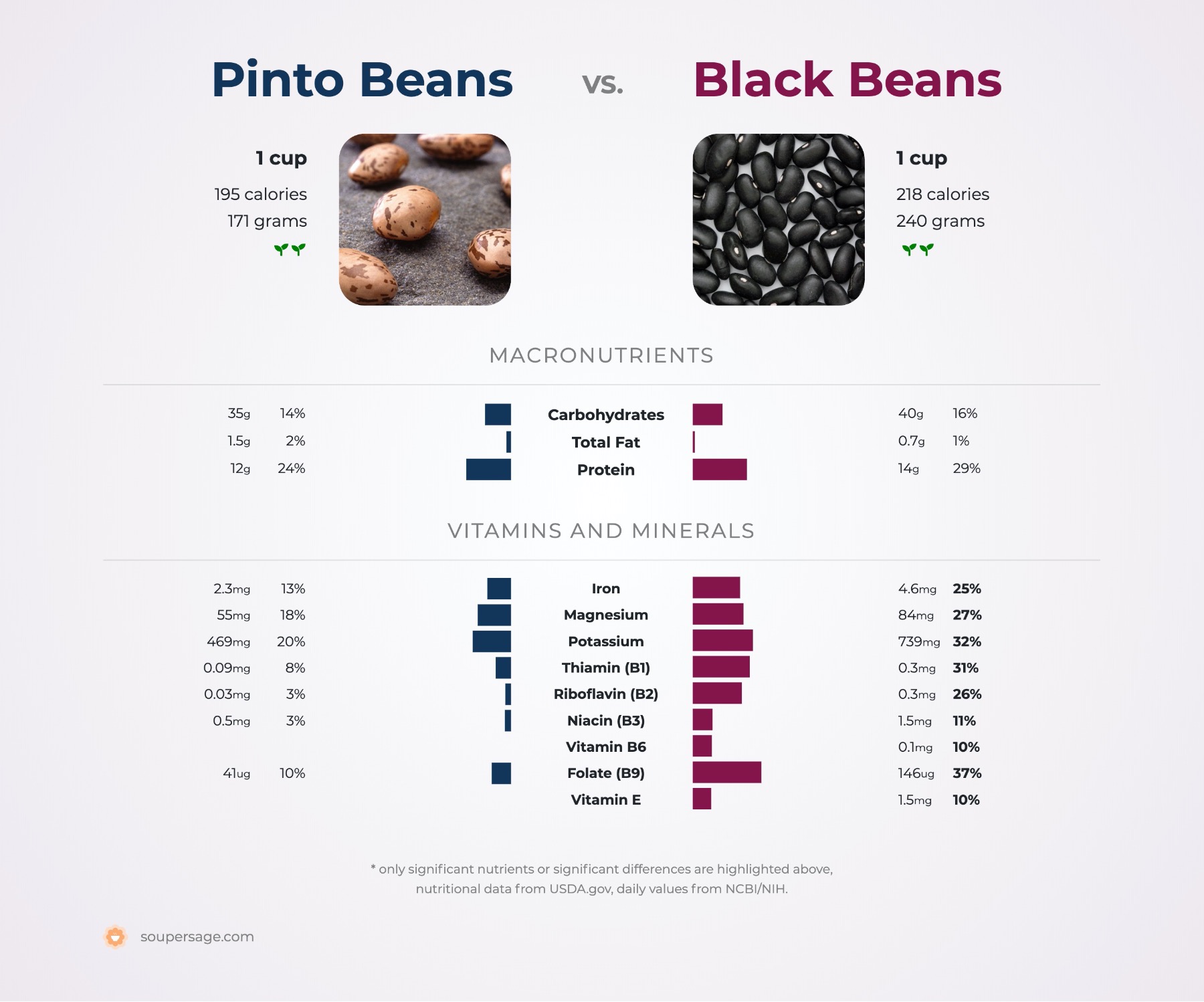
Welcome, bean enthusiasts and curious cooks! If you’ve ever stood in the grocery aisle, scratching your head over two bags of humble, beautiful legumes—one black as midnight, the other speckled like a pony’s coat—you’re not alone. The question “Are black or pinto beans healthier?” is a fantastic rabbit hole to tumble down, because it’s not just about nutrition facts. It’s about flavor, culture, and how tiny decisions stack up to make your meals both delicious and nourishing. This article will help you settle the debate once and for all, saving you time, boosting your cooking confidence, and revealing the surprising ways both beans can supercharge your health—without sacrificing taste.
Let’s start with the heavyweight champion of antioxidants: the black bean. These sleek, dark orbs are packed with anthocyanins—the same mighty compounds found in blueberries and blackberries. In fact, black beans boast more antioxidant activity than many fruits, which means they help fight inflammation, protect your cells, and support brain health. One cup of cooked black beans delivers about 15 grams of protein and 15 grams of fiber, making them a superstar for digestive health and steady blood sugar levels. If you’re looking for a single bean that punches above its weight in disease-fighting power, the black bean is your ally in the kitchen and in your bloodstream.
But don’t count out the humble pinto bean—the creamy, nutty heartthrob of Mexican and Southwestern cuisine. While pintos have slightly less fiber (around 12 grams per cup) and fewer antioxidants than black beans, they hold a secret advantage: folate. Pinto beans are a powerhouse of B-vitamins, especially folate, which is critical for heart health, DNA repair, and healthy pregnancies. They also contain molybdenum, a trace mineral that helps detoxify sulfites in your body. And here’s the flavor twist: pinto beans have a buttery, almost sweet texture when cooked, making them perfect for refried beans, burritos, or hearty stews. They absorb spices like cumin and chili with a warmth that black beans can’t quite match—so if you’re prioritizing variety in taste over raw antioxidant numbers, pinto beans are your quiet champions.
Must Read
So, which one is truly healthier? The answer might surprise you: it depends on your goal. If you’re after maximum antioxidant protection, especially against oxidative stress and aging, choose black beans every time. A study from the Journal of Agricultural and Food Chemistry ranked black beans among the highest in antioxidant activity among common beans. On the other hand, if you need a heart-friendly boost of folate—say, if you’re managing stress, planning a family, or watching your homocysteine levels—pinto beans take the lead. For the best outcome, rotate them both! Have black beans in a spicy black bean soup with lime and cilantro, then serve pinto beans in a refried bean dip with guacamole. Your body gets a variety of nutrients, and your taste buds never get bored.
Creative ideas to make this bean battle fun? Try a “Bean Face-Off” dinner. Cook both types from scratch (or from cans) and serve them side-by-side in identical tacos—same salsa, same cheese, same tortilla. Ask family or friends to vote on flavor, texture, and satiety. You’ll discover that black beans have a firmer, earthier bite, while pintos melt into a creamier, more comforting mouthfeel. Another idea: meal prep superhero bowls. On Sunday, cook a big batch of black beans for Mediterranean-style bowls with feta, olives, and tomatoes. Cook pinto beans for Southwest bowls with corn, avocado, and chipotle dressing. Label them, freeze portions, and you’ve got two nutrient-dense options ready all week. The variety alone makes it easier to stick to healthy eating.
:max_bytes(150000):strip_icc()/HDC-blackbeans-vs-pintobeans-d8cdc8a3a3e84e6d824585a6dfcb6f67.png) Black Beans vs. Pinto Beans: Which Are Better for Protein and Fiber?
Black Beans vs. Pinto Beans: Which Are Better for Protein and Fiber?
Practical tips for your kitchen journey: whether you use dried or canned beans, rinse and drain them thoroughly to reduce sodium and improve digestibility. For dried beans, soaking overnight and then boiling for 10 minutes before simmering helps cut down on oligosaccharides—the complex sugars that cause gas. Spice partners matter, too: black beans love cumin, oregano, and a dash of lime juice, while pinto beans sing with smoked paprika, garlic, and chipotle peppers. And here’s a pro tip: add a strip of kombu seaweed while cooking dried beans—it adds minerals and makes them more tender and digestible without affecting flavor.
Finally, remember that the word “healthier” shouldn’t become a rigid rule. Both beans are nutritional powerhouses compared to processed foods. They’re packed with protein, fiber, complex carbs, and a rainbow of micronutrients. The real winner is you, the person who chooses to eat beans at all. Whether you go black or pinto, you’re lowering your risk of heart disease, stabilizing your blood sugar, and feeding your gut microbiome. So next time you’re at the store, grab one of each. Mix them in chili, layer them in nachos, or blend them into a veggie burger. Your body doesn’t need a single champion—it thrives on a team. And black and pinto beans? They’re star players, ready to power your plate.

