Are Banana Peppers And Pepperoncinis The Same

Picture this: you’re at a pizza joint, and there they are, two jars of pale, pickled peppers staring back at you from the counter. One is labeled “banana peppers,” the other “...

Picture this: you’re at a pizza joint, and there they are, two jars of pale, pickled peppers staring back at you from the counter. One is labeled “banana peppers,” the other “pepperoncinis.” You grab a fork and think: Are these… the same thing?
It’s a question that has divided dinner tables and confused sandwich lovers for years. They look nearly identical, with that same waxy, yellow-green skin and a similar tangy kick. But are they secretly twins, or just two very similar strangers?
Let’s get one thing straight right away: they are not the same pepper. Sorry, but the pizza gods didn’t just pull a fast one on us by renaming the same fruit. Banana peppers and pepperoncinis come from different plant families, and they have distinct personalities—like cousins who share a last name but act totally different at family reunions.
Must Read
Meet the Banana Pepper: The Sweet and Sassy One
Banana peppers are named for their shape—long, curved, and yellow, just like, well, a banana. They’re usually mild, with a sweetness that makes them a favorite on subs and salads for people who want tang without turning into a dragon.
Here’s the cool part: banana peppers actually start green and ripen to yellow, then orange, and finally red. Most of the time, they’re picked while still pale and tangy. Their Scoville heat rating is typically 0 to 500—so you get just a whisper of warmth, not a scream.
Think of banana peppers as the relaxed, friendly surfer dude of peppers. They show up, bring a nice tangy vibe, and never cause drama. You can eat them by the handful without reaching for a glass of milk.
Enter the Pepperoncini: The Italian Charmer
Pepperoncinis, on the other hand, are often called “sweet Italian peppers” or “Tuscan peppers.” They’re smaller, slightly wrinkled, and have a thicker skin than banana peppers. Their shape is more squat, like a stubby little chili with a tiny dent at the tip.
Flavor-wise, pepperoncinis are more savory and complex. They still have that pickled tang, but there’s an earthy, almost smoky undertone that banana peppers lack. Their heat level is also a notch higher—usually 100 to 500 Scoville units—enough to be noticeable but still friendly.
Imagine pepperoncinis as the stylish Italian cousin who wears sunglasses indoors and knows the best olive oil. They add a little drama to your sandwich without stealing the whole show.
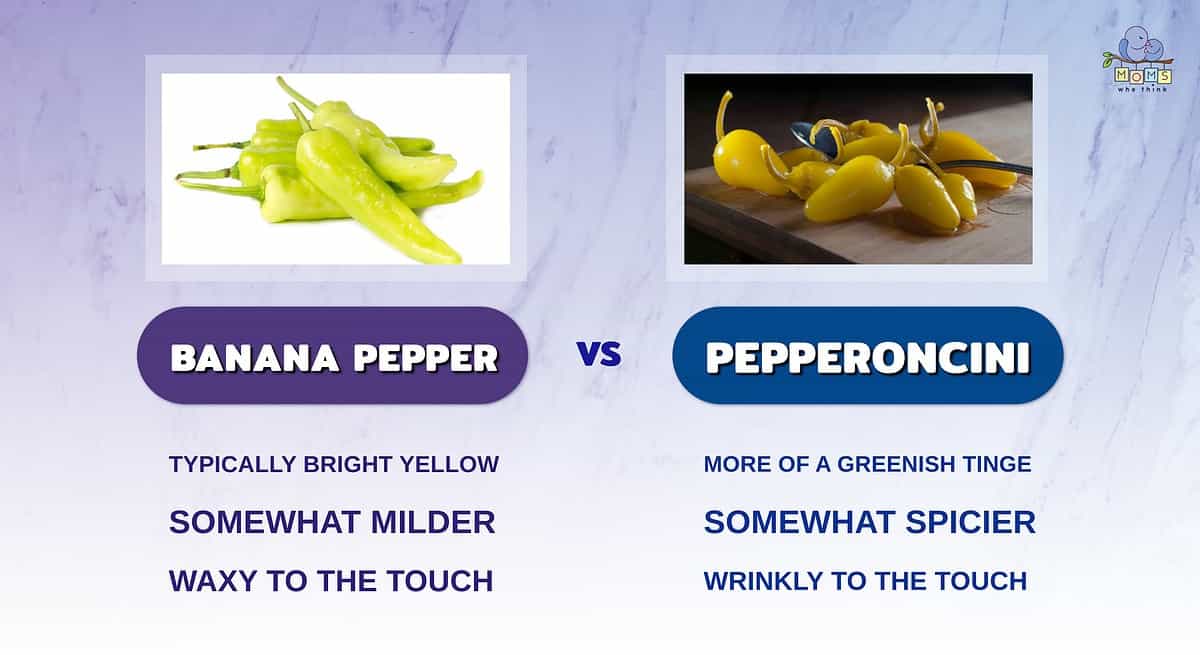 Banana Peppers vs. Pepperoncini: Two Key Differences Including Spice
Why Do They Look So Alike, Then?
Great question! Both peppers go through the same pickling process, which turns them that familiar pale yellow-green. Think of it like two people wearing the same uniform—they end up looking like teammates even though they play different sports.
Also, grocery stores often mix them up or label them interchangeably, which fuels the confusion. You might see a jar of “pepperoncinis” that are actually banana peppers, and vice versa. It’s a wild west of pickled produce out there, folks.
But here’s a fun test: If the pepper is long, smooth, and mild-tasting, it’s almost certainly a banana pepper. If it’s short, bumpy, and has a faint bitterness behind the tang, you’ve got a pepperoncini.
The Great Sandwich Showdown
Let’s talk about the real world: your Friday night sub or your Greek salad. Which one wins? It depends on what you’re craving. If you want a bright, acidic pop that doesn’t overpower the other ingredients, banana peppers are your go-to. They’re the reliable friend who brings chips to the party.
Pepperoncinis are the spicy secret weapon. They’re perfect when you want to add a little mystery and depth—like on a muffuletta or a gyro. They’re not shy, but they’re not loud either; they’re just… intriguing.
Ever notice how pepperoncinis sometimes have seeds that are more noticeable? Yeah, those little guys pack a bit more heat. Banana peppers are usually deseeded well, so they’re cleaner and simpler to bite into.
 Pepperoncini vs Banana Peppers: How To Tell Them Apart - MyBeautyGym
Can You Swap Them?
Here’s the honest answer: yes, but your taste buds will know the difference. If a recipe calls for pepperoncinis and you use banana peppers, you’ll get a sweeter, less complex result. Swap the other way, and your dish might surprise you with a gentle kick.
Think of it like swapping Parmesan for Pecorino Romano. Both are hard, salty cheeses, but one is sheepy and sharp, and the other is nutty and mild. They’ll work, but the soul changes.
My advice? Keep both jars in your fridge. They’re both cheap, they both last forever, and they make every meal feel a little more interesting. Plus, you’ll look like a pepper connoisseur when your friends ask, “Wait, which one is this?”
The Weirdly Fun Conclusion
So, are banana peppers and pepperoncinis the same? Not even close, but that’s what makes them cool. They’re a perfect example of how nature takes a similar idea—a mild, pickled, yellow pepper—and runs in two different delicious directions.
Next time you’re at the grocery store, stop and stare at those two jars. Pick one up, then the other. Notice the shape, the wrinkles, the faint color difference. That’s a tiny piece of culinary trivia hiding in plain sight.
And hey, if you accidentally grab the wrong one? No big deal. You’ll still have a tangy, pickled, happy time. Just don’t tell the pepperoncini you thought it was a banana. They’ll never let you forget it.
