Are Archaebacteria Autotrophs Or Heterotrophs

Let’s be honest—when you hear the word “archaebacteria,” your brain might glaze over a little. But stick with me, because this topic is actually a fascinating puzzle that conn...
Let’s be honest—when you hear the word “archaebacteria,” your brain might glaze over a little. But stick with me, because this topic is actually a fascinating puzzle that connects to the food on your plate, the microbes in your gut, and even the possibility of life on Mars. Think of it as a microbe mystery: do these ancient organisms make their own food, or do they scavenge it like leftovers? The answer isn’t just a biology textbook fact—it’s a tool for understanding how life thrives in extreme places, from boiling hot springs to the deep ocean. If you’re a curious student, a gardener interested in soil health, or someone who loves surprising science trivia, this question opens a window into nature’s most resilient survivors.
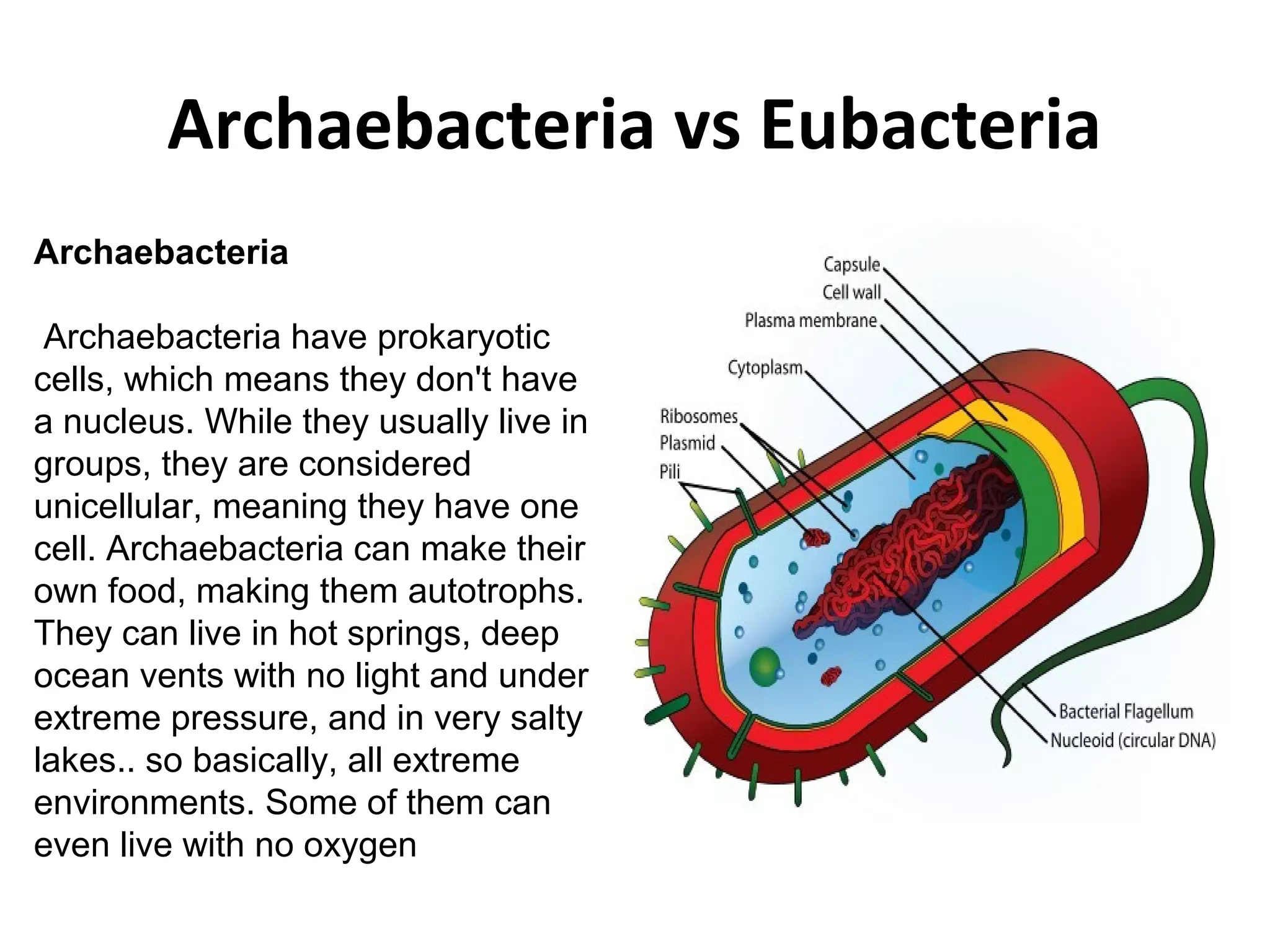
The main purpose here is to clear up a common confusion. Many people assume that all “bacteria-like” creatures are either plant-style autotrophs (making energy from sunlight or chemicals) or animal-style heterotrophs (eating other organisms). Archaebacteria, however, play by their own rules. They are not true bacteria—they’re a separate domain of life, and their metabolism is wildly diverse. Understanding this helps scientists design better wastewater treatment systems, create industrial enzymes that work at insane temperatures, and even imagine how alien life might eat on a distant moon. For everyday folks, it’s a reminder that nature rarely falls into tidy categories.
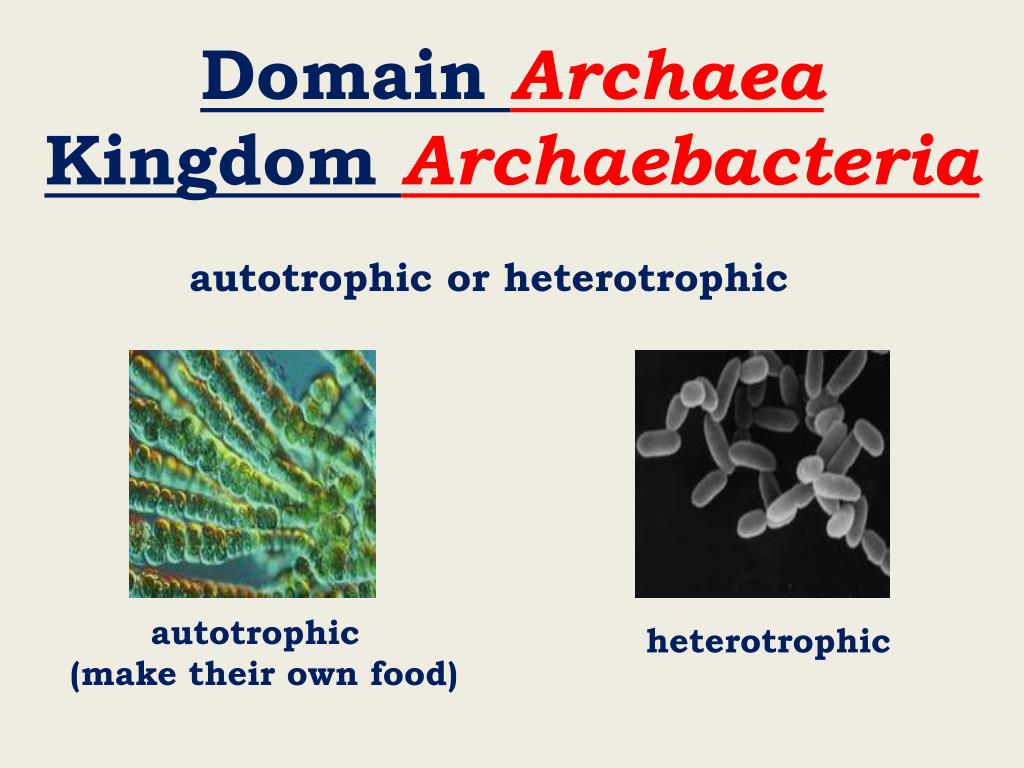
Let’s look at some examples you might recognize. Take the archaebacteria living in Yellowstone’s hot springs: many are chemolithoautotrophs, meaning they convert inorganic chemicals like hydrogen sulfide into energy. They don’t need sunlight or organic food—they’re like tiny solar panels powered by volcano fumes. On the flip side, some deep-sea archaea are heterotrophs that break down dead organic matter sinking from the ocean surface. And then there are the methanogens—archaea that produce methane as a byproduct while digesting carbon dioxide. These guys are autotrophs using chemical energy, but they’re also incredibly picky about their “recipe.” So, the answer is: it depends entirely on the species and its environment.
Must Read
If you want to make this knowledge practical, here’s a simple tip: pay attention to the habitat. When you hear about an archaebacterium found in a hydrothermal vent, assume it’s likely an autotroph using chemical energy. If it’s found in a cow’s stomach or in sewage sludge, it’s probably a heterotroph breaking down complex organic compounds. This isn’t foolproof, but it gives you a starting point. Another trick is to remember the word “extremophile”—archaea that love extreme heat or acidity often rely on autotrophic metabolism because organic food is scarce in those harsh places.
 KINGDOMS OF LIFEre Cladogram of Six Kingdoms and
Getting started with deeper understanding is easier than you think. Try this: grab a plain yogurt container (fermented by bacteria, not archaea, but the principle applies) and imagine the microscopic world inside. Then, search for “methanogen” online—you’ll find these archaea live in landfills and your own intestines. Notice how they don’t need to eat salad or meat; they just need carbon dioxide and hydrogen. That’s the autotrophic vibe. Compare that to a heterotrophic archaeon like Halobacterium, which thrives in salt ponds by munching on dead algae. Write down one example of each, and you’ll already be ahead of most casual learners.
Finally, the most important takeaway is this: archaebacteria are masters of flexibility. Some are autotrophs, some are heterotrophs, and a few can even switch roles depending on what’s available. This adaptability is why they’ve survived for billions of years. For you, the benefit is a richer appreciation of how life handles scarcity—whether you’re composting in your backyard, reading about climate change and methane emissions, or just marveling at a jar of pickles. The next time someone says “bacteria,” you can smile and quietly think, “But which domain are you talking about?” That’s the kind of practical, playful clarity this topic delivers.