Are Almonds Bad For The Environment

You, me, and a bag of almonds walk into a café. We’re feeling virtuous, crunching on these little green-gold nuggets of protein. Then someone whispers: “Almonds are destroying...
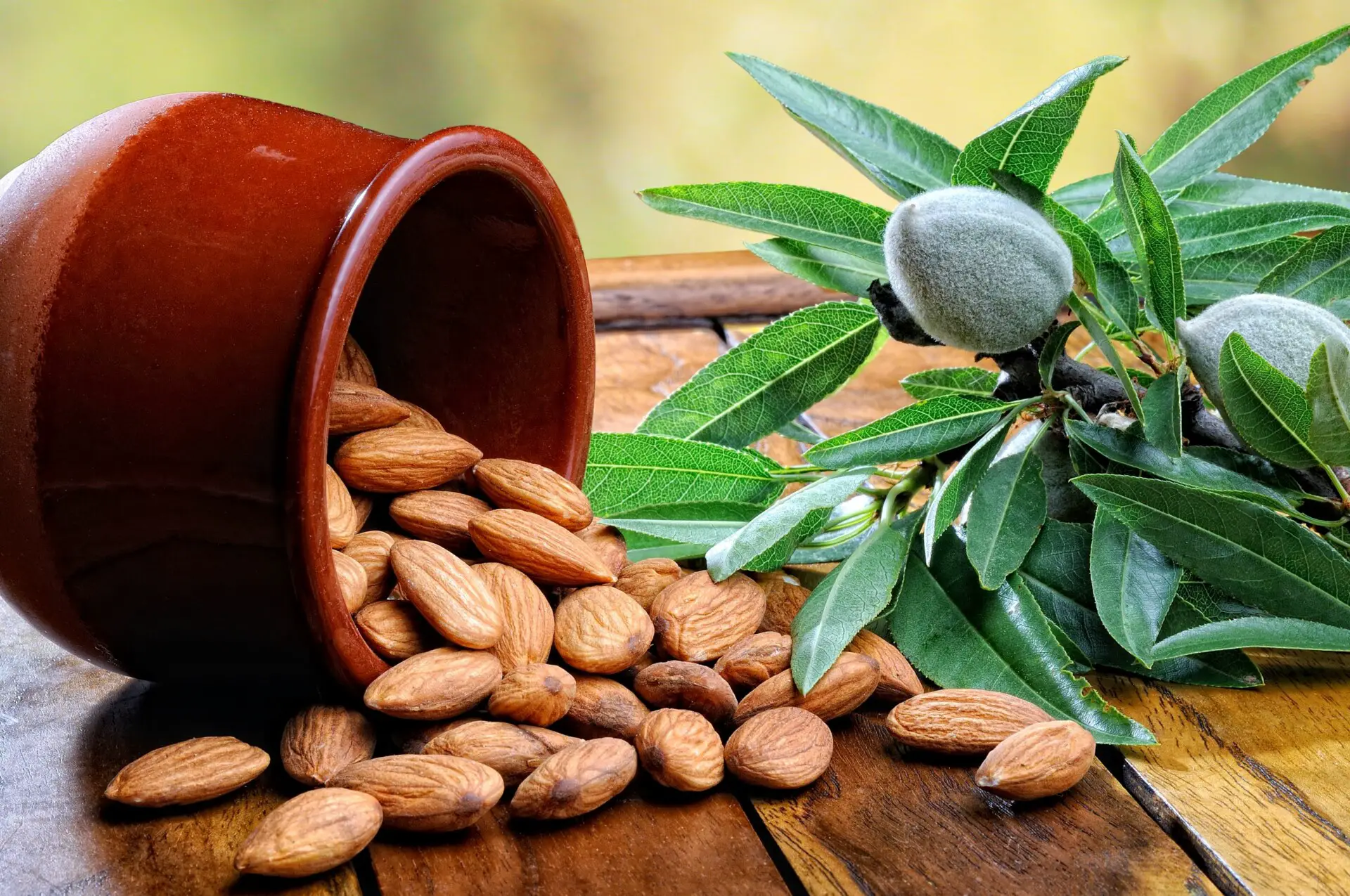
You, me, and a bag of almonds walk into a café. We’re feeling virtuous, crunching on these little green-gold nuggets of protein. Then someone whispers: “Almonds are destroying the planet.” Wait, what? Did my healthy snack just become an eco-villain?
The Thirsty Nut Conspiracy
Let’s get one thing straight: almonds are thirsty. Like, a single almond requires about 1.1 gallons of water to grow. That’s roughly the amount of water you’d use to take a 90-second shower—for one nut.
But here’s the hilarious twist: we’re not worried about almonds growing in Ireland. They grow mostly in California, specifically the Central Valley, which is basically a giant dustbowl with a swimming pool problem. The state has been in a drought for what feels like 40 Game of Thrones seasons.
Must Read
So when you buy almonds, you’re essentially asking the California water system to run a marathon for your snack. It’s like ordering a steak in a vegan restaurant—technically possible, but the chef will cry.
Bees, Trucks, and a Whole Lot of Drama
But water is only the opening act. To pollinate those almond blossoms, farmers need 70% of America’s commercial honeybees. That’s roughly 1.6 million hives, trucked in like bee-rockstars on a national tour.
This road trip is terrible for the bees. They get stressed, sick, and sometimes die. It’s like forcing a yoga instructor to drive a monster truck—nobody’s happy. And without bees, we’d lose not just almonds, but also apples, avocados, and basically everything nice.
Then there’s the carbon footprint. Almonds are shipped globally, often in refrigerated trucks. That’s a lot of fossil fuels for a nut that’s mostly water and chutzpah.
 We Need To Talk About Why Nuts Are So Bad For The Environment
The Surprising Good News (Yes, Really)
Before you declare almonds the new coal, let’s look at the eco-balance sheet. Almonds are a tree nut, meaning they grow on trees that sequester carbon while alive. The orchards also provide habitat for birds and other critters—unlike a cornfield, which is basically a green desert.
Compared to dairy milk, almond milk is a water-saving hero. One glass of cow milk requires 10 times more water and produces way more greenhouse gases. So if you’re swapping dairy for almond milk, you’re still winning—just slightly less than if you drank oat or soy.
Also, almonds are a complete protein and full of Vitamin E. They’re basically nature’s multivitamin wrapped in a crunchy shell. You’d have to eat an entire cow to get the same nutrition, which is definitely worse for the planet.
How to Snack Without the Guilt (or the Bee Funeral)
So what’s a crunchy connoisseur to do? First, buy almonds from Spain or Australia if you can find them. They often use less water and have better bee welfare. Or look for “California-grown” almonds that are irrigated with recycled water—yes, that’s a thing.
 Is almond milk bad for the environment?
Second, eat almonds, don’t drink them. A glass of almond milk uses about 30 almonds, which is a lot more water than just eating a handful. If you want milk, oat milk is the eco-champion—it uses less water, less land, and fewer dead bees.
Finally, don’t panic. The planet is in trouble, but almonds are not the main villain. They’re more like the annoying sidekick who drinks too much water at the party. The real bad guys are industrial beef and food waste.
The Bottom Line (Crunchy but Clear)
Are almonds bad for the environment? Sort of, but mostly in California, and only if you’re wasteful. They’re water-heavy, bee-annoying, and truck-obsessed. But compared to a hamburger, an avocado from Chile, or a daily smoothie with dairy, you’re still ahead.
So go ahead, enjoy your almonds. Just try to buy them from a friendly bee farm, maybe recycle the bag, and definitely don’t cry into your almond milk. That would waste even more water. And that’s just nuts.
