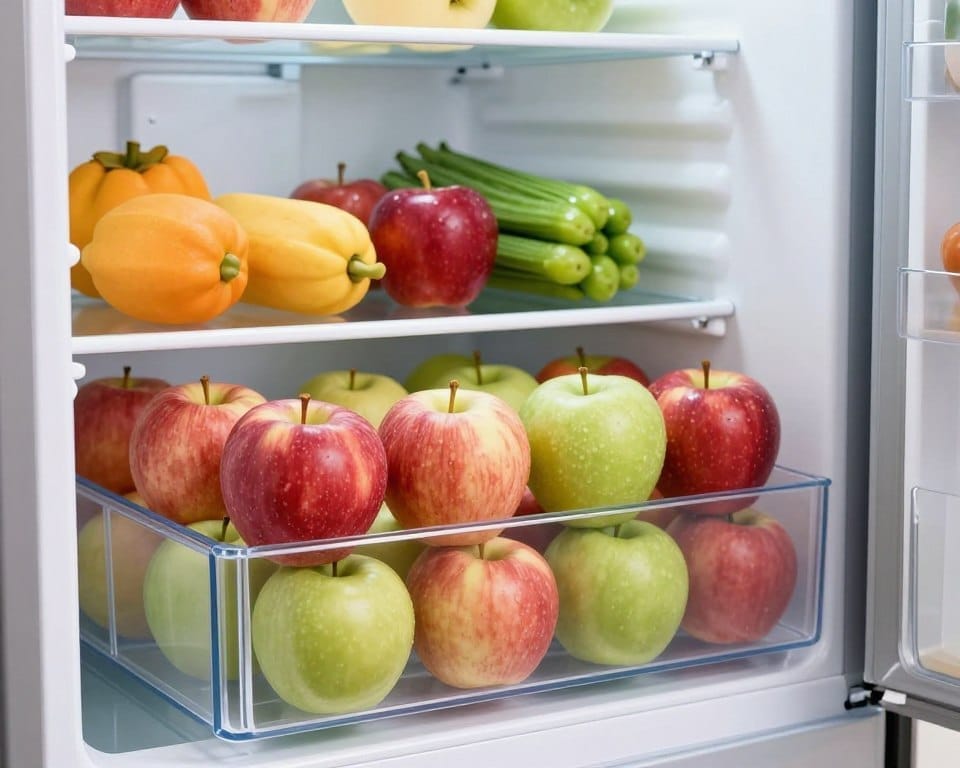
Apples Better In Fridge Or Out

Let’s be real: the age-old debate of whether apples belong in the fridge or on the counter is a kitchen controversy that actually matters. It’s not just a snobby foodie thing—...

Let’s be real: the age-old debate of whether apples belong in the fridge or on the counter is a kitchen controversy that actually matters. It’s not just a snobby foodie thing—it’s a daily decision that directly impacts your wallet, your time, and your snack happiness. After all, no one wants to bite into a mealy, sad apple or discover a withered, forgotten one at the bottom of the fruit bowl. Getting this right means less food waste, more crisp bites, and a happier kitchen vibe for everyone.
Here’s the thing: apples are ethylene gas factories. They release this natural ripening hormone, which means they keep changing (and spoiling) after you bring them home. Temperature is the key to controlling that process. The fridge is a time machine—it dramatically slows down ethylene production and respiration, making your apples last from a few days to several weeks. On the counter, apples ripen fast, sometimes turning from perfect to punky in just days. For a family that buys in bulk or for anyone who hates grocery runs, the fridge is a total game-changer.
But it’s not just about longevity—it’s about texture, flavor, and real-life usage. Think about it: you buy a bag of Honeycrisp apples on Sunday. If you stash them in the fridge, by Friday they’re still shockingly crisp and juicy, perfect for a lunchbox or a late-night crunch. Meanwhile, a counter apple might already feel soft and less aromatic. For a busy parent packing school lunches, that crispness is gold—kids are more likely to eat an apple that’s not mushy. And for anyone meal-prepping, cold apples stay perfect for salads or baking all week.
Must Read
Now, here’s where it gets interesting: counter apples are not evil. In fact, they shine in specific scenarios. If you plan to eat an apple within two to three days, the counter is perfect—it actually lets the flavor develop a bit more, and the texture stays fine. A great example? That single apple you grab from the farmers’ market and pop in your bag for a walk. Room-temperature apples also smell more fragrant, which is nice for a decorative bowl on your table. But be warned: one bad, bruised apple on the counter will speed up the ripening of its neighbors, so you have to keep an eye out.
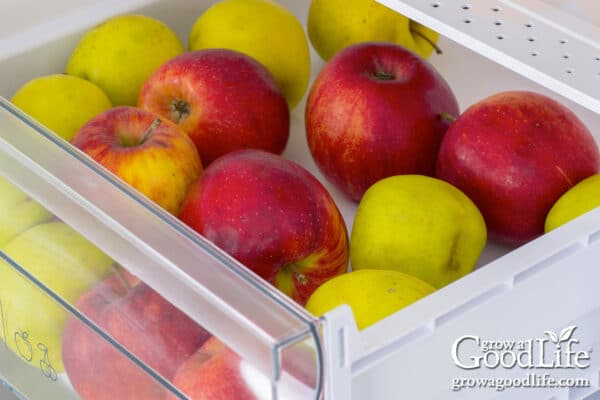 How to Store Apples in the Refrigerator and Root Cellar
So, here’s a practical, no-stress plan: use the fridge as your default apple home. Don’t wash them first—moisture invites mold—just toss the whole bag into the crisper drawer. Want to enjoy one today? Pull it out an hour before eating; a cold apple from the fridge has more snap and sweetness when it warms up a bit. If you have absolutely no fridge space or you’re hosting a party, keep a small bowl on the counter for apples you’ll devour in two days. And here’s a pro tip: store apples away from other fruits like bananas or avocados, or they’ll turn everything mushy. Trust me, your family will thank you when there’s still a crunchy snack on day ten.
To wrap it up: the fridge wins for the long haul, while the counter is for instant gratification. This isn’t about right or wrong—it’s about knowing your habits. If you buy a week’s worth of apples, commit them to the fridge. If you buy one perfect apple for today’s hike, leave it out. The real win is less waste, more crunch, and a kitchen that makes you feel like you’ve got it together. So go ahead, embrace the cold—your apples will thank you with every crisp, satisfying bite. It’s a small change that makes a big, delicious difference.