Ancho Chili Powder Vs Chili Powder

Welcome, spice explorers, to the wonderfully smoky and surprisingly nuanced world of chili powders! You’ve probably stood in the spice aisle, staring at two almost-identical j...
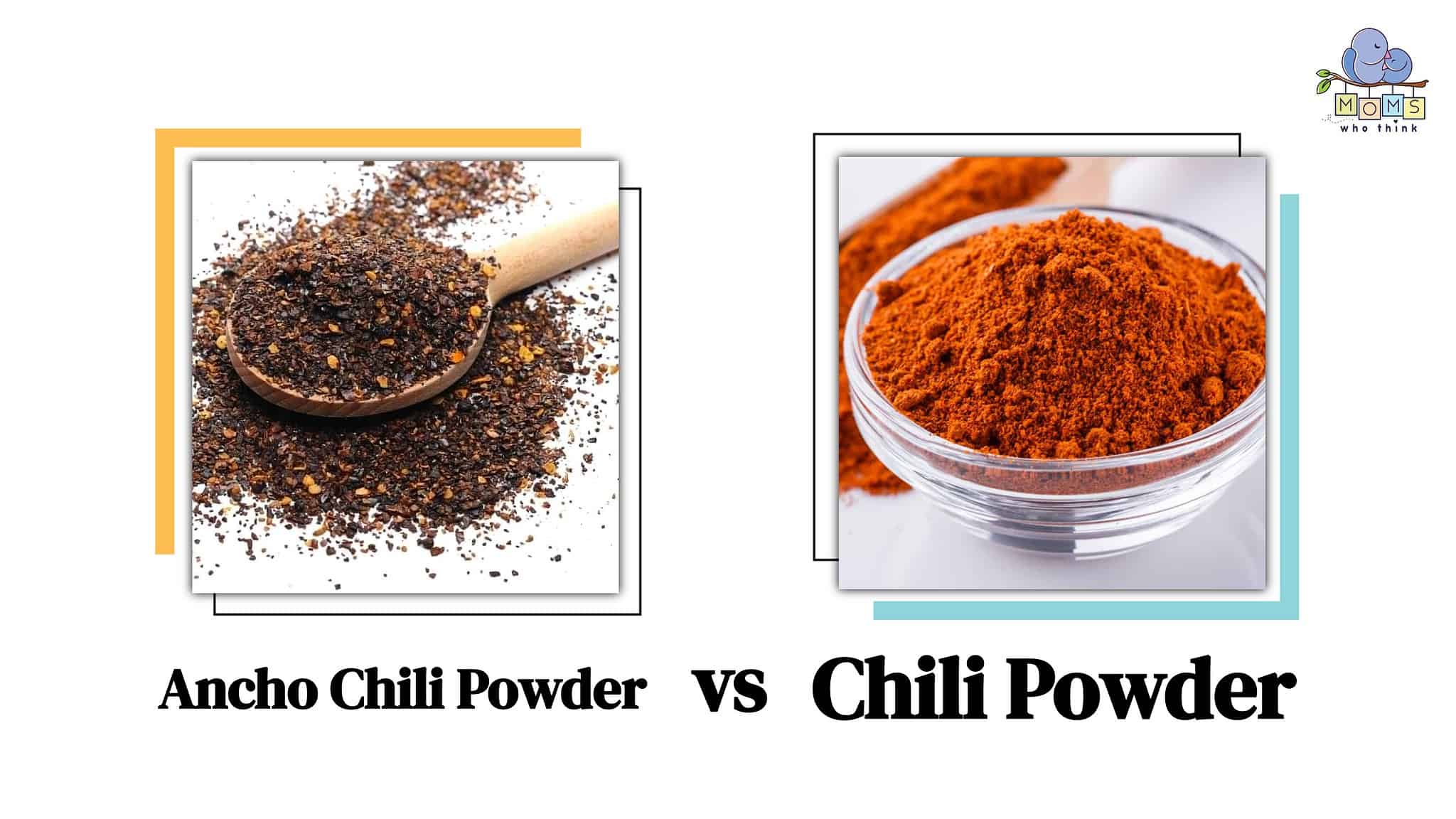
Welcome, spice explorers, to the wonderfully smoky and surprisingly nuanced world of chili powders! You’ve probably stood in the spice aisle, staring at two almost-identical jars labeled “Chili Powder” and “Ancho Chili Powder,” wondering if you’re about to ruin your chili or discover a new superpower. I’m here to tell you: this is a delicious puzzle, and solving it will transform your cooking from “meh” to “magnífico.” The purpose of this article is simple: to help you understand the difference between these two pantry staples, so you can wield them with confidence. The advantage? You’ll never accidentally make a bland pot of chili again, and you’ll unlock flavors you didn’t know existed.
Let’s start with the biggest, most important distinction: one is a single ingredient, the other is a blend. Ancho Chili Powder is exactly what it sounds like—pure, ground, dried poblano peppers, known as anchos. Think of it as a solist, a solo artist with a rich, sweet, and mildly smoky voice. It’s not fiery hot (usually around 1,000–1,500 Scoville units, which is very gentle), but it brings a deep, raisin-like, almost chocolatey undertone. Regular Chili Powder, on the other hand, is a band. It’s a mixture of ground dried chilies (often including ancho, but also cayenne, paprika, or New Mexico chilies) blended with cumin, garlic powder, oregano, and sometimes salt. It’s designed for convenience—one jar gives you a quick, balanced flavor profile for classic dishes like Texas-style chili or tacos. The advantage of the blend? Speed. The advantage of the pure ancho? Control and depth.
Here’s where the fun begins: creative swaps and experiments. Say you’re making a classic beef chili. Using standard chili powder is fine—it’s reliable, like a dependable friend. But swap one tablespoon of that blend for one tablespoon of pure ancho chili powder, and you’ll get a rounder, silkier sauce with a subtle sweetness that tempers any acidic tomatoes. For a vegetarian black bean soup, try this: toast two tablespoons of ancho powder in a dry skillet for 30 seconds before adding liquid. The heat releases its oils, making the soup taste like it simmered for hours. Another trick? Mix ancho powder with a pinch of cinnamon and cocoa powder to create a magical dry rub for pork ribs or roasted sweet potatoes. The earthiness of the ancho plays perfectly with the sweetness of the cocoa. In contrast, regular chili powder works best when you want a blunt, familiar “chili” flavor—like in a quick pantry sauce for nachos or a fast weeknight taco filling.
Must Read
Let’s get practical with some real-world tips. First, always taste your chili powder before using it. Since regular chili powder is a blend, brands vary wildly. Some are heavy on cumin and oregano; others are saltier or spicier. Take a tiny pinch on your tongue. Does it taste flat and dusty? That’s old. Does it have a vibrant, warm punch? That’s fresh. For ancho powder, look for a deep burgundy color—almost like dried red wine—and a scent that smells like dried fruit and leather. If it’s brown and smells like hay, toss it. Second, store both in a cool, dark cabinet, not above the stove. Heat and light destroy their volatile oils within months. I keep mine in the fridge door for long-term freshness (yes, it’s safe, and it extends their life by a year).
Now, a crucial warning: never substitute one for the other cup-for-cup in a recipe without adjusting. If a recipe calls for two tablespoons of regular chili powder and you sub in two tablespoons of pure ancho, you’ll lose the cumin, garlic, and oregano that the blend provides. Your dish will taste flat. Instead, think of it as a flavor foundation: start with ancho for the smoky base, then build on it. For example, for every tablespoon of regular chili powder you replace with ancho, add half a teaspoon of ground cumin, a quarter teaspoon of garlic powder, and a pinch of dried oregano. This gives you the best of both worlds—the deep ancho soul and the familiar spice chorus. Or, for a simpler hack, use a 50/50 mix of ancho and your favorite regular chili powder. This creates a hybrid that’s both rich and complex without needing a chemistry degree.
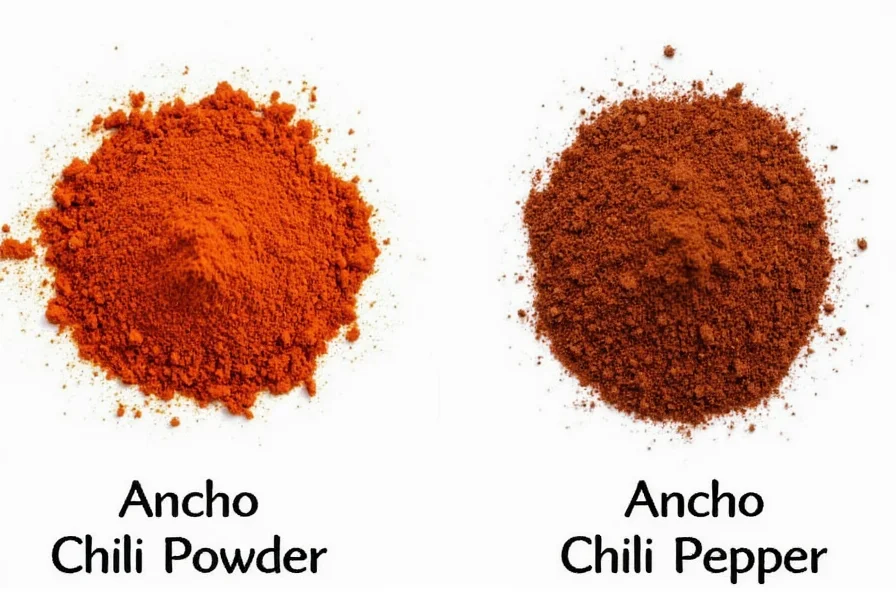 Ancho Chili Powder vs Chili Powder: Key Differences & When to Use Each
Finally, let’s talk about heat. This is where many home cooks get stuck. Regular chili powder can be surprisingly hot if the blend uses a lot of cayenne; some commercial blends register 5,000 Scoville units. Ancho powder is almost always mild. So if you’re cooking for spice-sensitive kids or friends, reach for the ancho. It brings warmth without tears. For a dinner party with fire-eaters, use regular chili powder as your base, then finish with a spoonful of ancho to balance the heat with fruitiness. Pro tip: add ancho powder at the beginning of cooking (like in a soffritto or sautéed onions) to let its sugars caramelize; add regular chili powder near the end to preserve its more delicate cumin-oregano notes. This one timing trick can elevate a dish from “did I forget something?” to “wow, what’s your secret?”
So, next time you’re in the spice aisle, don’t just grab a jar. You now have a choice: the soloist (ancho) or the band (chili powder). Both are wonderful, but they’re not the same. Embrace the difference, and you’ll unlock a spectrum of possibilities—from a silky mole-inspired sauce to a quick weeknight chili that tastes like it cooked all day. Your spice rack is your palette, and ancho and regular chili powder are two essential paints. Use them wisely, use them boldly, and most of all, have fun. Your taste buds will thank you.
