Allergic To Red Wine But Not White

Welcome to the wonderfully confusing world of wine allergies, where your body throws a party for white wine but slams the door in the face of red. If you’ve ever felt your nos...
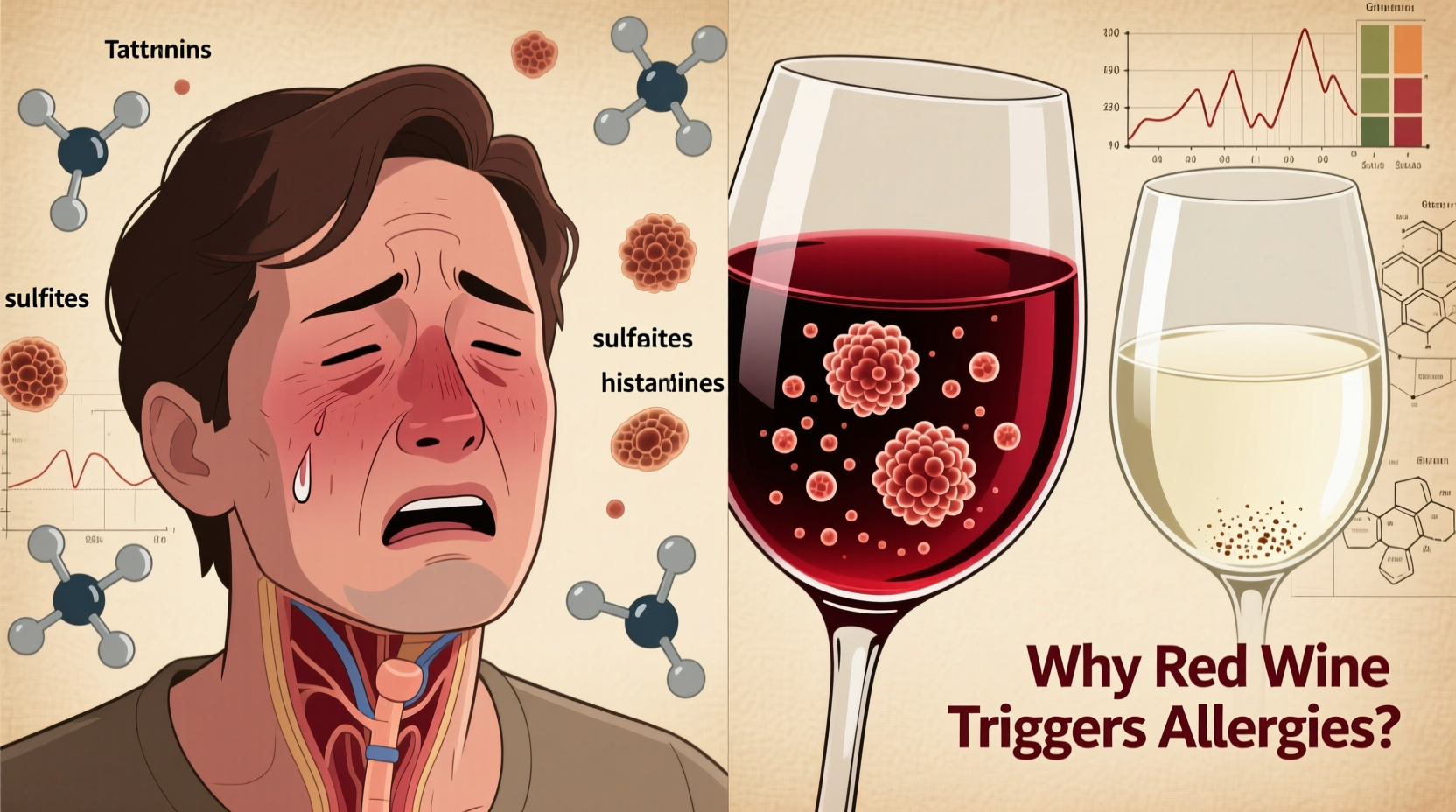
Welcome to the wonderfully confusing world of wine allergies, where your body throws a party for white wine but slams the door in the face of red. If you’ve ever felt your nose get stuffy, your cheeks flush, or your head start to throb after just a sip of Cabernet, yet you can merrily sip a chilled Sauvignon Blanc, you’re not alone. This article is your friendly guide to understanding why this happens, what you can do about it, and how to keep enjoying wine without the sniffles. The purpose here is simple: to help you navigate your wine choices with confidence, turning a frustrating puzzle into a fun, practical adventure. The big advantage? You don’t have to give up wine entirely—you just need to know your red flags (literally).
So, what’s the deal with red wine being the troublemaker? The culprit often lies in histamines and tannins. Red wine is made by fermenting grape juice with the skins, which are packed with both compounds. Tannins are those drying, bitter compounds that give red wine its structure, but for some people, they can trigger headaches and nasal congestion. Histamines, naturally produced during fermentation, are even more problematic—they’re the same chemicals your body releases during an allergic reaction. White wine, on the other hand, is made without skin contact, so it’s much lower in histamines and tannins. That’s why your body treats it like a gentle friend—a lower dose of the triggers means a much happier system.
Let’s dive into some real-life, creative scenarios to make this relatable. Imagine you’re at a dinner party, and the host proudly presents a deep, ruby-red Barolo. Everyone raves about its “bold, complex flavors,” but you’re already dreading the inevitable stuffy nose and headache. Instead of sulking, you can thrive by bringing your own secret weapon: a crisp, unoaked white like a Pinot Grigio or a dry Riesling. You can even make it a social game—challenge your friends to a “blind tasting” where you swap red for white and see if anyone notices your sip’s absence. Another creative idea: host a “Red-Free Wine Night” for friends who share your sensitivity. Serve sparkling whites, rosés (which have less skin contact than reds), and even orange wines (white grapes fermented like reds, but often lower in histamines). You’ll be the hero of the evening, proving that allergies don’t have to kill the fun.
Must Read
But what if you really miss the bold, fruity flavor of red wine? Don’t despair! There are clever workarounds. First, look for low-histamine red wines. Some producers filter their wines to remove histamines, and labels in Europe might even mention “istamina ridotta” (reduced histamine). Second, try chilling your red wine—a light chill (like a Beaujolais or a Pinot Noir) can reduce the release of tannins and histamines, making it easier on your system. Finally, consider non-alcoholic red wines. They often have fewer histamines because the alcohol itself can trigger histamine release. Brands like Gruvi and Fre make surprisingly tasty red blends that won’t make you sneeze. It’s not the same as a full-bodied Napa Cab, but it’s a fun, harmless alternative for those “I miss red wine” moments.
Now, let’s talk practical tips for everyday life. Antihistamines can be a game-changer—taking a non-drowsy one 30 minutes before drinking red wine might block the reaction entirely. But always check with your doctor first. Another hack: eat something fatty before you drink. Cheese, nuts, or a slice of pizza can slow down the absorption of histamines and tannins, reducing their impact. And here’s a fun experiment—try different red wine varietals. Not all reds are equal. Thin-skinned grapes like Pinot Noir and Gamay have fewer tannins and histamines than thick-skinned ones like Cabernet Sauvignon or Syrah. A light, fruity red might be your gateway back to the dark side, without the side effects.
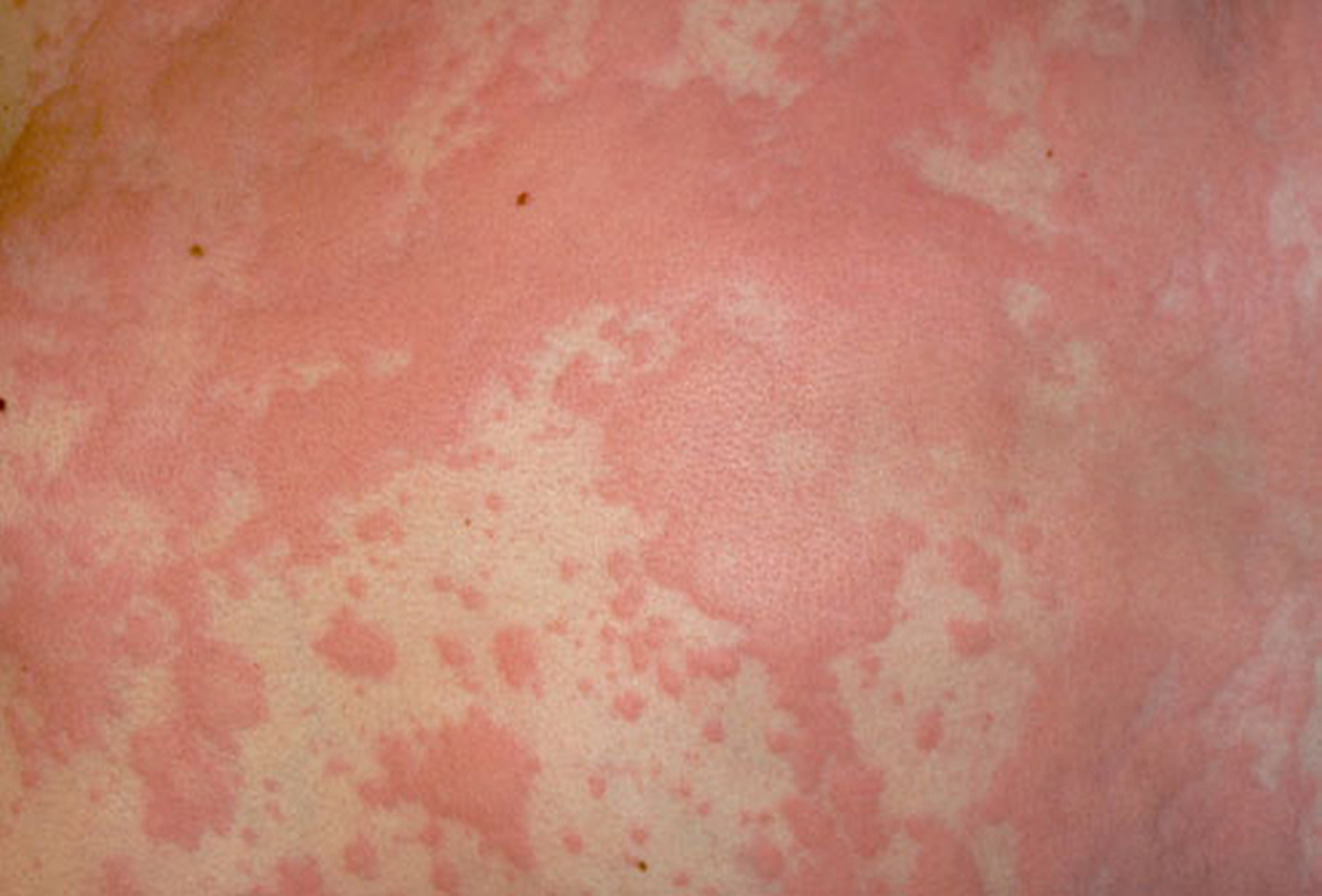 Alcohol allergy - Symptoms, Rash, Alcohol Allergy Test & Treatment
For those who want to be proactive, keep a wine diary. Yes, it sounds dorky, but it works. Note which red wines trigger symptoms and which don’t. You might discover that a particular region (like Oregon Pinot Noir) is fine, while another (like Chilean Carmenère) gives you a headache. Over time, you’ll build a “safe list” of reds you can enjoy guilt-free. Also, don’t underestimate the power of sulfites—though they’re often blamed, they’re actually less common in red wine than in white, but some people are sensitive to them. If you suspect sulfites, look for “no sulfites added” labels on both red and white wines. The key is experimenting, like a mad scientist, but with better appetizers.
Finally, remember that you are part of a delightful community of wine lovers with peculiar palates. Embrace the quirk! When someone asks why you’re only drinking white, you can smile and say, “My body throws a tantrum at tannins, but it loves a crisp Chardonnay.” You might even start a trend—your friends will start calling you the “White Wine Whisperer.” The best advice? Don’t be afraid to ask. At a restaurant, ask for a low-histamine red or a white that’s not oaked. Sommeliers love a challenge, and they’ll admire your self-awareness. In the end, being allergic to red wine but not white is not a limitation—it’s a unique adventure in tasting, experimenting, and finding joy in what works for you.
