All Purpose Flour Substitute Bread Flour

Okay, let’s have a real talk about flour. Yes, flour. The dusty, seemingly boring stuff that sits in your pantry, waiting for its moment of glory. For the longest time, I thou...

Okay, let’s have a real talk about flour. Yes, flour. The dusty, seemingly boring stuff that sits in your pantry, waiting for its moment of glory. For the longest time, I thought all flour was created equal. You know, like cafeteria pizza or leggings. Then I started baking bread, and that innocent delusion crumbled like, well, bad bread. Enter the great debate: All-Purpose Flour vs. Bread Flour. But here’s the twist—I’m not here to tell you to run out and buy a 50-pound bag of bread flour. I’m here to be your flour fairy godmother and show you how to turn humble All-Purpose Flour into a surprisingly brilliant substitute for Bread Flour.
First, why does this even matter? Imagine you’re craving a crusty, chewy artisan loaf at 9 PM on a Tuesday. All you have is AP flour. Panic not! The secret sauce here is protein content. Bread flour has a higher protein count (around 12-14%), which forms more gluten, giving you that glorious, elastic chew. AP flour is a laid-back 10-12%—the yoga instructor of flours. But we can trick it into working out. Here’s how:
Method one: The “Vital Wheat Gluten” power-up. This is pure kitchen wizardry. Vital wheat gluten is basically concentrated gluten powder—the protein that makes bread bread. For every cup of AP flour you’re using, add one teaspoon of vital wheat gluten. Whisk it in dry, then use it exactly as you would bread flour. Boom. You’ve just given your casual AP flour a protein pump. It’s like handing your dough a tiny protein shake before its workout. Your bread will thank you with a higher rise and a better crumb.
Must Read
Method two: The “No Special Ingredients? No problem” hack. If you don’t have vital wheat gluten (and let’s be honest, who always does?), use this ancient baker’s trick: add a little more water and knead the heck out of it. AP flour actually benefits from a longer kneading time to develop its gluten. So, after your dough comes together, give it an extra 5-7 minutes of solid, rhythmic kneading. You’ll feel it change from a shaggy mess to a smooth, springy friend. It’s like coaxing a shy cat out from under the bed—patience is everything.
But wait, there’s a catch! Using AP flour as a bread flour substitute works beautifully for rustic loaves, dinner rolls, and even pizza dough. However, for ultra-light, fluffy sandwich bread or brioche? You might notice a slightly less dramatic rise. It’s like your bread is wearing cozy slippers instead of running shoes. Still great, just a tad less athletic. For those, I’d recommend buying bread flour. But for 90% of your bread-baking life? AP with a tweak is your hero.
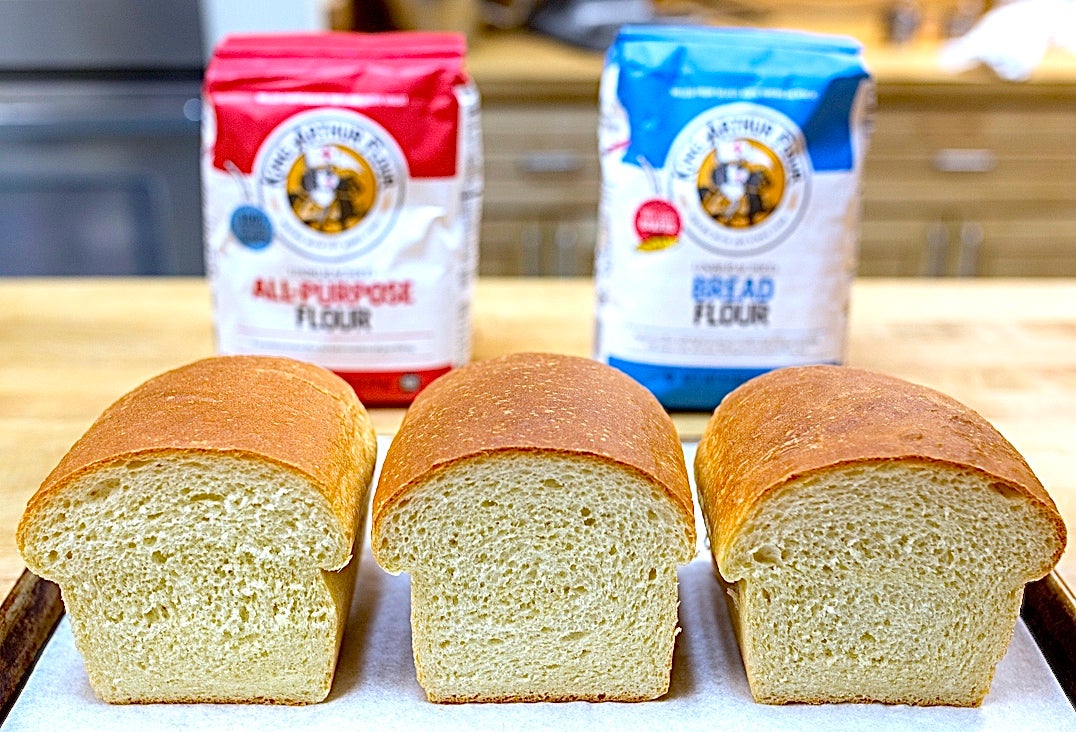 How to substitute bread flour for all-purpose flour | King Arthur Baking
And here’s my final, unsolicited piece of advice: Don’t overthink it. I’ve made glorious, Instagram-worthy sourdough with AP flour that I’d just aggressively kneaded into submission. I’ve made flat, sad focaccia with expensive bread flour because I forgot the salt. (Yes, I cried a little. It’s fine.) The point is, the flour is just a character in the story—not the whole plot. Your technique, your patience, and your willingness to laugh at a loaf that looks like a deflated football matter way more.
So go ahead. Raid your pantry. Use that AP flour. Give your dough a little extra love, a bit more time, and maybe a whisper of vital wheat gluten if you’re feeling fancy. You’re not just substituting; you’re adapting. And that, my friend, is the heart of every great baker. Now go make something delicious, and when that warm, imperfect loaf comes out of the oven, remember: you didn’t just bake bread. You baked a little magic from what you already had. And that’s the best kind of recipe. 🍞✨