Adjusting Pilot Light On Gas Fireplace

Alright, gather around, everyone — it's time for one of those magical little home hacks that makes you feel like a bona fide homeowner. We're talking about adjusting the pilot...
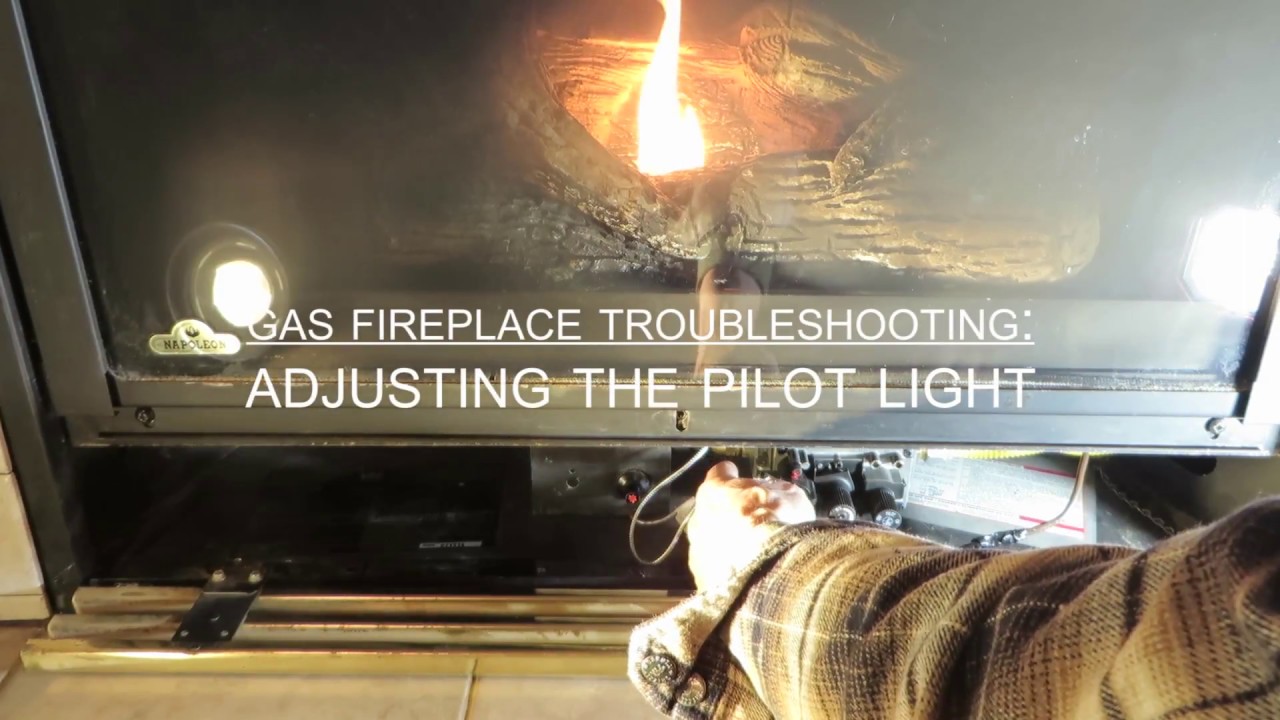
Alright, gather around, everyone — it's time for one of those magical little home hacks that makes you feel like a bona fide homeowner. We're talking about adjusting the pilot light on your gas fireplace. Now, before you roll your eyes and think, "Oh no, this is going to involve tools and manuals," relax. Your best friend is about to walk you through it with zero drama and maybe just a smidge of humor along the way.
So, first things first — the pilot light is basically the tiny flame that's always gently burning inside your fireplace, just waiting for you to flip the switch and turn your living room into a cozy retreat. When it's working, it's a beautiful little blue flame with a warm yellowish tip. When it's not working correctly, things get annoying. Maybe it keeps going out, or maybe it's flickering like it's doing a little dance. Either way, it's time to roll up your sleeves.
Before you poke around in there, do yourself a favor: turn off the gas supply. Safety first, friend — we're going for cozy, not catastrophic. Give the gas about five minutes to settle. This is a perfect excuse to grab a snack. Life's too short not to snack through home repairs.
Must Read
Now, open up your fireplace — or remove the access panel — and locate the pilot light assembly. It's often tucked down at the base. You'll see a small adjustment screw on or near the control valve. This little screw is your key to everything. Turning it one way adjusts how much gas feeds the pilot light — open it up if the flame is too weak, or close it slightly if it's too strong. Think of it like seasoning a soup: a little twist here, a little correction there, and you're golden.
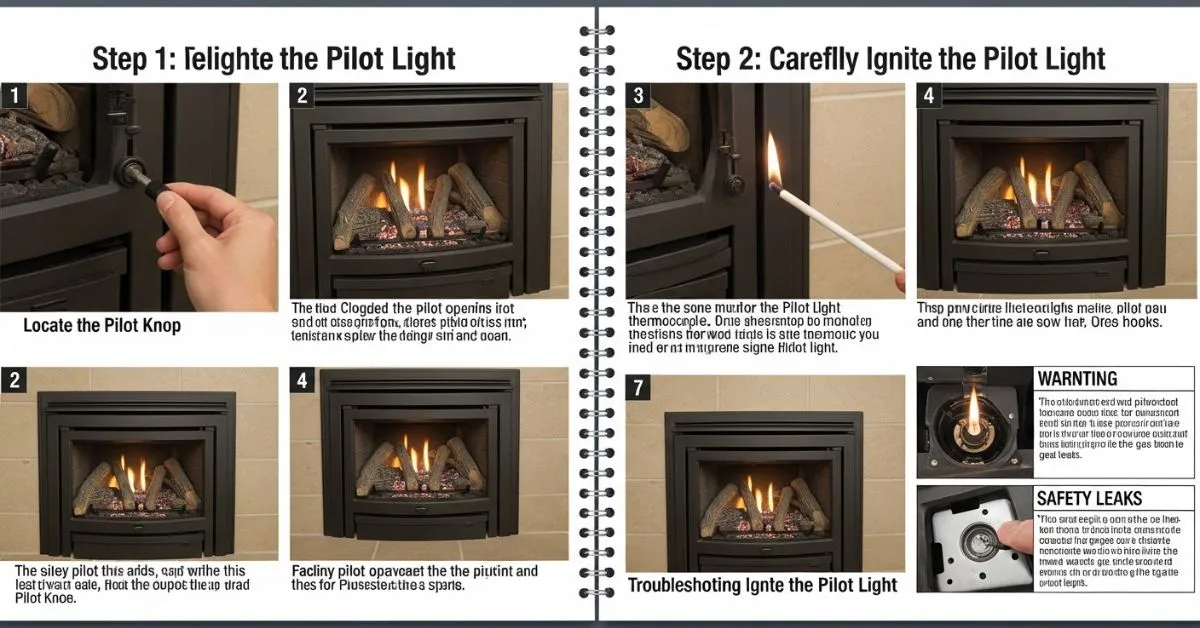 Pilot Light on a Gas Fireplace: Complete Guide to Relighting
After adjusting, relight the pilot by following your fireplace manufacturer's instructions — it usually involves pressing and holding a button while igniting the flame. Once it's lit, let it burn for a few minutes and watch carefully. You're looking for a steady, calm flame that doesn't flicker or waver. If it's still giving you trouble, you might need to repeat the process or, in worst-case scenarios, call a professional. And hey, there's absolutely no shame in that. Getting help is just part of being a smart homeowner.
Here's a little secret most people don't realize: neglecting your pilot light can actually affect your heating costs. A properly adjusted pilot light runs efficiently, which means less gas wasted and more cash staying in your pocket. That's one of those wins that doesn't just warm your home — it warms your wallet, too. Bonus!
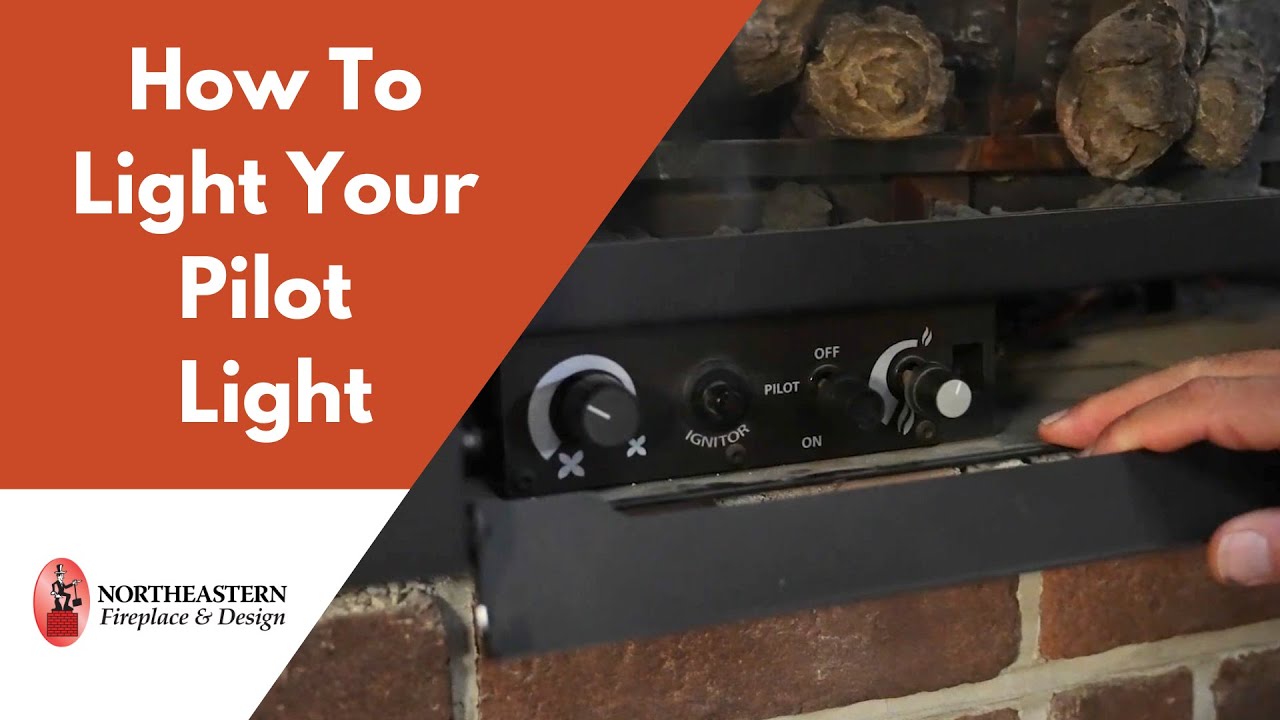 How To Light A Pilot Light In Gas Fireplace | Detroit Chinatown
And finally, once everything is running smoothly, sit back, flip that switch, and enjoy the glow. There's something deeply satisfying about solving a small problem with your own hands. You fixed something real. You made your home a little better. And honestly? That's a pretty wonderful feeling.
So go ahead, light up that pilot, light up your evening, and remember — every small skill you learn brings a little more warmth to your world. Now go enjoy that fire, you're a certified cozy expert. 🎉

