4 Facts About The Earth's Crust

Welcome to the ground beneath your feet—literally! The Earth’s crust might seem like just a hard, boring shell we walk on every day, but it’s actually a dynamic, living, and s...

Welcome to the ground beneath your feet—literally! The Earth’s crust might seem like just a hard, boring shell we walk on every day, but it’s actually a dynamic, living, and surprising layer of our planet. Understanding a few basic facts about the crust isn’t just for geologists; it’s for anyone who loves a good mystery, enjoys a hike, or has ever wondered why mountains exist. The purpose of this article is to show you that the ground under your garden, your city, and the ocean is a treasure trove of hidden stories. The advantage? You’ll never look at a rock, a beach, or a volcano the same way again. Let’s dig in!
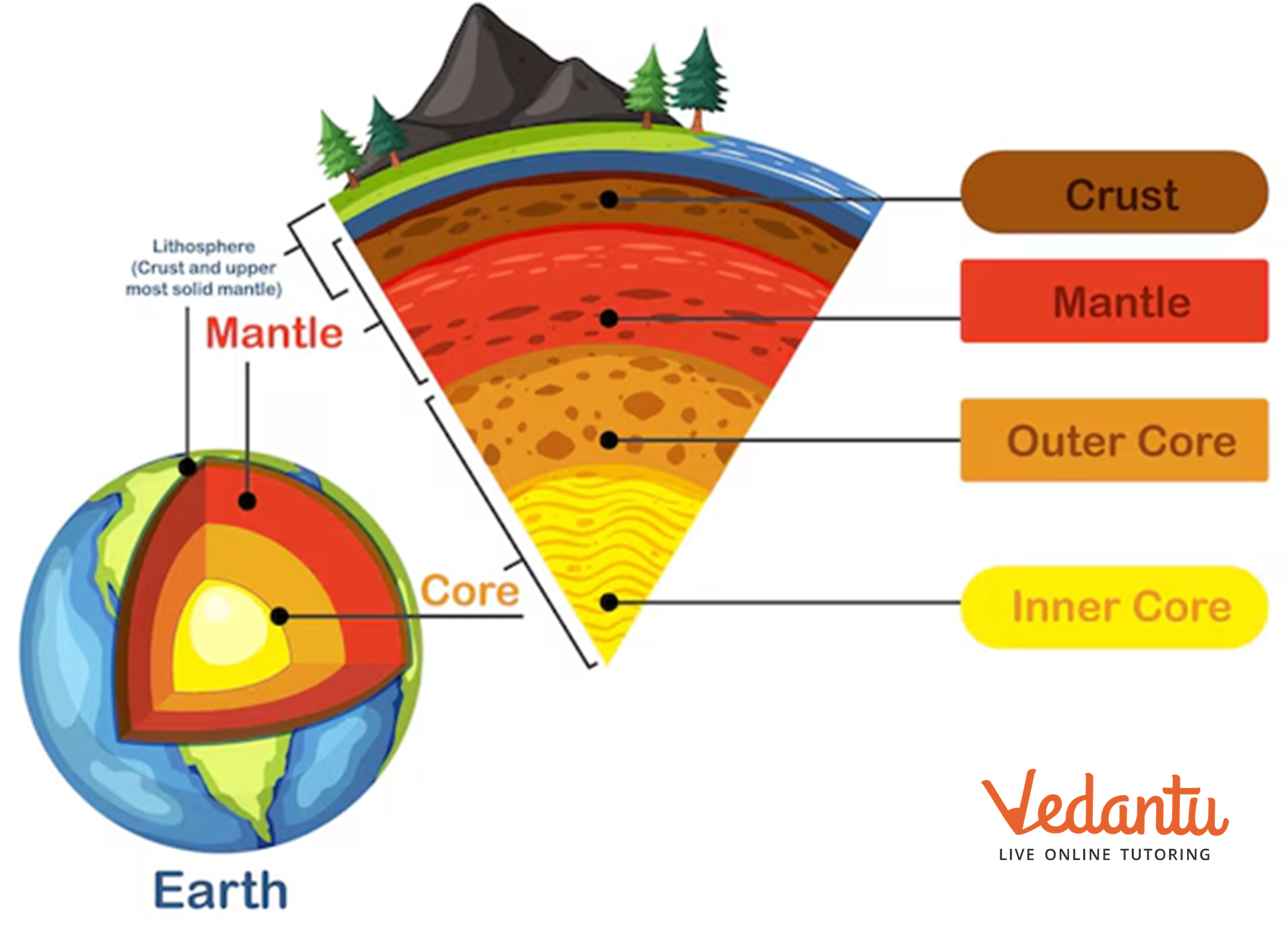
Fact #1: The crust is incredibly thin—like the skin of an apple. If Earth were a giant apple, the crust would be thinner than the apple’s skin. Compared to the planet’s radius of about 3,959 miles, the crust averages only about 19 miles thick on land and just 3–5 miles under the oceans. This razor-thin layer is all that separates us from the scorching, churning mantle below. Imagine walking on a tightrope over a fire—that’s basically what we do every day! The practical takeaway? Next time you dig a hole in your backyard, remember you’re only scratching the surface of a truly massive planet.
Fact #2: There are two types of crust: continental and oceanic. And they are totally different. Continental crust is the thick, old, and “floaty” stuff that forms the continents. It’s made mostly of granite, which is lighter and less dense, so it sits high like a giant raft. Oceanic crust, on the other hand, is younger, thinner, and made of dark, dense basalt—think of it as the planet’s heavy, submersible blanket. A fun way to visualize this: grab a piece of pumice (light, floats) and a piece of iron (sinks). That’s the difference. This duality is why Earth has both towering mountains and deep ocean trenches, a constant dance of buoyancy and gravity.
Must Read
Fact #3: The crust is constantly cracking, moving, and recycling. This is the heart of plate tectonics. The crust isn’t one solid shell; it’s broken into about 15 massive tectonic plates that drift like bumper cars on the semifluid mantle. They move at the speed your fingernails grow—about 1–4 inches per year. But don’t let the slow pace fool you; when they jam, you get earthquakes. When they pull apart, you get volcanoes and new crust. For example, the Atlantic Ocean expands about an inch each year as the American and European plates separate. Creative idea: Next time you see a cracked sidewalk, imagine it as a miniature tectonic plate—though thankfully, yours isn’t descending into a fiery trench!
 10 Facts About The Crust
Fact #4: The crust holds the key to Earth’s age and history. The oldest rocks on Earth (found in Canada and Australia) are about 4 billion years old—but the crust itself is constantly being destroyed and remade. Oceanic crust is recycled every 200 million years, like a giant conveyor belt. Meanwhile, continental crust can last billions of years, acting like Earth’s memory. Geologists read this memory by studying layers of rock. Think of the Grand Canyon as a giant, open-faced book: each layer is a chapter detailing ancient oceans, deserts, and even dinosaur footprints. Practical advice: If you want to “time travel,” pick up a common rock near a river. Examine its grains—each speck is a tiny relic of mountains that have eroded, proving nothing on Earth is permanent.
Why does any of this matter to you? Beyond being fascinating party trivia, knowing about the crust helps explain where we build cities (avoiding fault lines), why some soils are fertile (volcanic ash), and even where to find critical metals like copper or lithium for your smartphone. The crust is the source of virtually all resources in modern life—from the sand in glass to the iron in steel. Understanding its behavior also makes weather patterns, ocean currents, and mountain climates more logical. You become a planet detective, connecting dots between a rock in your hand and a volcano on the other side of the world.
 Earth Layers Diagram Temperature
Here’s a playful tip to become a crust explorer: Find a local hiking trail or a gravel driveway. Pick up two rocks—one light-colored (likely granite) and one dark (likely basalt or shale). Wash them, then drop a little vinegar on each. If it fizzes, you’ve found limestone, which is made from ancient sea creatures—a sign that the crust was once an ocean floor! Another practical idea: Download a free geology map of your area (many are online). You’ll see the crust’s “DNA” in colorful patterns—blues for old seas, reds for ancient volcanoes. It turns a boring Sunday walk into a time-traveling adventure. The crust isn’t just dirt; it’s a diary. And now you can read it.
So, next time you step outside, pause. The ground that seems so ordinary is actually a wafer-thin, busy, and ancient shield protecting the inferno within. It’s the planet’s outermost layer, yes, but also its most accessible wonder. Whether you’re a kid collecting pebbles, a hiker scaling a ridge, or a curious soul staring at a mountain, remember: you are standing on a dynamic, living story that’s been written over 4.6 billion years. And the best part? The next chapter—the one you’re living on—is still being written, one tectonic shift at a time. Enjoy the ride!
