3 Important Figures From The 1960s Other Than Presidents

Let’s be honest for a second. When you think of the 1960s, you probably picture leaders making big speeches or signing laws, right? But the real magic of the sixties? It didn’...

Let’s be honest for a second. When you think of the 1960s, you probably picture leaders making big speeches or signing laws, right? But the real magic of the sixties? It didn’t just happen in the Oval Office. It happened on the streets, in small coffee shops, and even inside a person’s own head. Today, we’re ditching the presidents and focusing on three figures who shaped the vibe of the decade in a totally different way.
1. The Visionary: Timothy Leary
First up is a man who told an entire generation to “turn on, tune in, drop out.” That was Timothy Leary, a former Harvard psychology professor who became the high priest of a cultural revolution. Crazy, right? A respected academic suddenly telling millions of young people to question everything, especially the rules of society.
Leary believed that your own mind was the ultimate playground. He argued that psychedelic drugs, like LSD, could unlock parts of your brain that normal life kept locked shut. Think of it like this: if the 1950s were a black-and-white TV show, Leary was handing out remote controls with a “color explosion” button.
Must Read
Was he a genius or just a guy who took things too far? Honestly, he was a bit of both. His ideas freaked out parents and politicians, but they ignited a curiosity about consciousness and spirituality that still flickers today, from yoga classes to meditation apps. Leary made it cool—and a little dangerous—to ask, “Who am I, really?”
The best part? He didn’t just talk. He turned his own life into a wild experiment, getting arrested, escaping from prison, and even running for governor of California. He wasn’t a president, but he sure knew how to lead a parade of free thinkers.
2. The Rebel With a Guitar: Bob Dylan
Next, let’s talk about a guy who looked like a lost poet but sounded like a furious thunderstorm. Bob Dylan didn’t just sing songs; he wrote questions that the whole world had to answer. Have you ever heard a song that made you stop and think, “Wait, is that true?” That was Dylan, every single time.
In the early sixties, folk music was nice. It was polite. Then Dylan showed up with a voice that sounded like rusty gravel and lyrics that cut like a knife. He wrote “Blowin’ in the Wind” and “The Times They Are a-Changin’,” which became anthems for civil rights and anti-war movements. He wasn’t a politician, but his words had more power than any presidential decree.
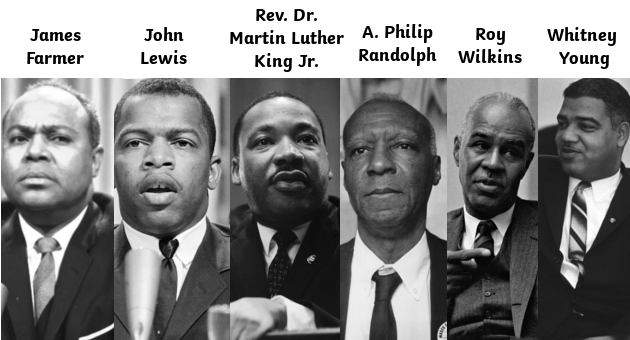
 Civil Rights Movement Leaders 1960s
Why is he so cool? Because he refused to be labeled. Just when everyone called him the “voice of a generation,” he went electric and plugged in a loud guitar at a folk festival, shocking his own fans. Imagine your favorite singer suddenly changing their entire style—Dylan did it just to prove he wasn’t anyone’s puppet. He was a walking reminder that the 1960s were about breaking boxes, not fitting into them.
And here is the quietest truth: Dylan showed us that a simple human with a notebook can change the conversation of an entire planet. No suit, no podium, just a harmonica and a whole lot of attitude.
3. The Quiet Force: Rachel Carson
Now, let’s zoom out from the music and the psychedelics to something grounded. Actual dirt. Rachel Carson was a biologist and writer who published a book in 1962 called Silent Spring. If you’ve ever cared about clean water or birds flying free, you can thank her, not any president.
Before Carson, people thought pesticides were magical. You spray, the bugs die, end of story. But Carson asked a dangerous question: “What happens to the rest of the world after that spray?” She discovered that the chemicals were killing not just bugs, but birds, fish, and even harming humans. The scariest part? Nobody had bothered to check.
 What is the Civil Rights Movement? | Facts for Kids | Twinkl
Her book wasn’t a protest march or a rock concert. It was a calm, scientific warning that landed like a bomb. Big chemical companies attacked her personally, calling her a hysterical woman who didn’t understand progress. But Carson had evidence, and she had a gentle, undeniable voice. She basically started the entire modern environmental movement with one well-written book.
Because of her, the government banned DDT (a nasty pesticide) and created the Environmental Protection Agency (EPA). She didn’t give a single speech on the White House lawn. She just told the truth in a way that made people care. That’s a different kind of leadership, isn’t it?
So, why are these three figures more interesting than most presidents? Because they worked from the outside in. Leary made you rethink your brain. Dylan made you rethink your society. Carson made you rethink your backyard. Presidents hold power because of votes and laws. These three held power because they made ordinary people curious about the world, and that curiosity changed everything.
Next time you hear a protest song, or you recycle a can, or you just daydream about a bigger life—wink at the 1960s. Sometimes the people who aren’t in charge are the ones who really run the show.
