3 Facts About Oscar De La Hoya

Welcome to the world of boxing royalty, where a flash of gold and a lightning-fast left hook changed the sport forever! If you think boxing is just about two people punching e...
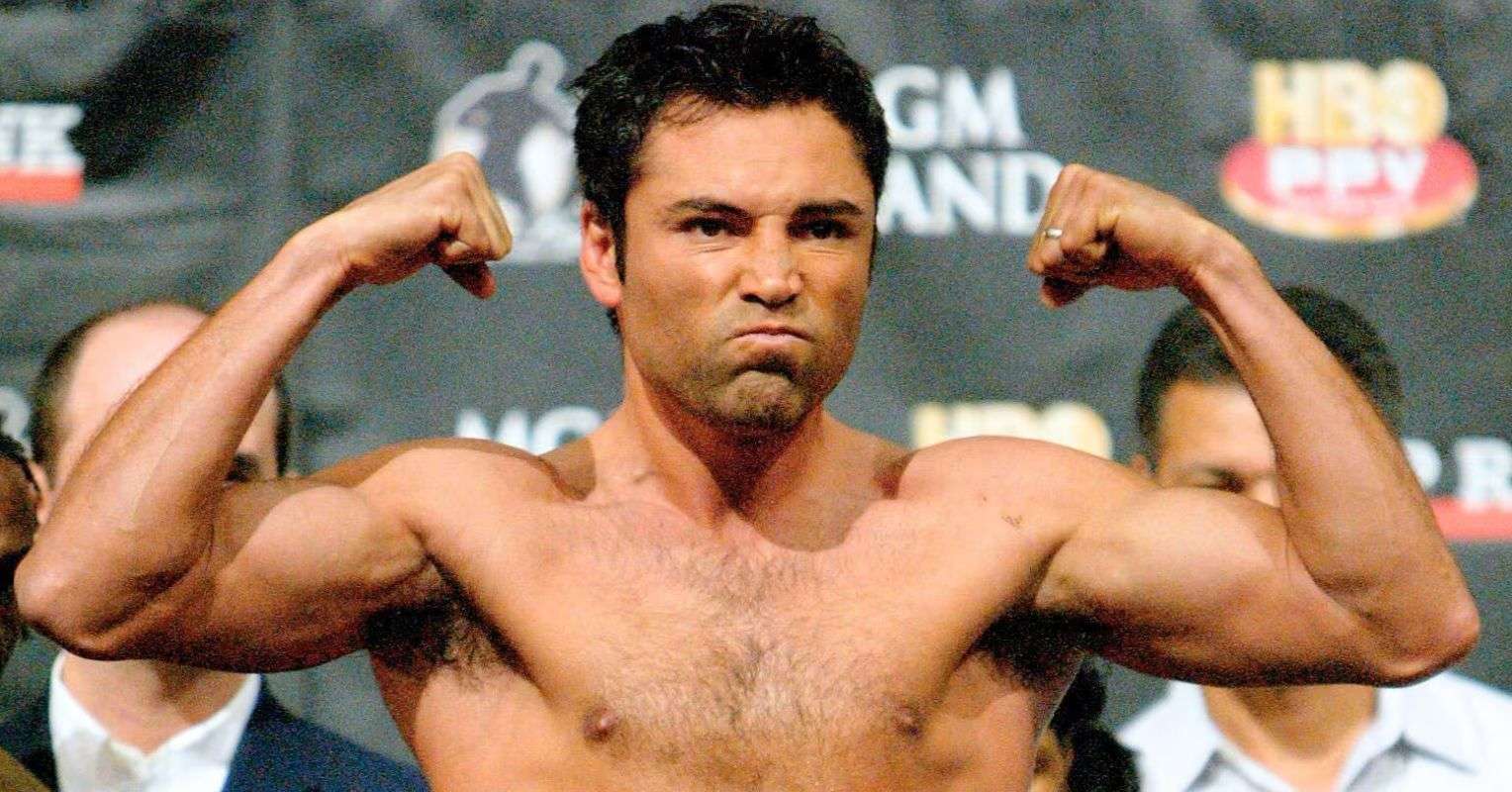
Welcome to the world of boxing royalty, where a flash of gold and a lightning-fast left hook changed the sport forever! If you think boxing is just about two people punching each other, you’re in for a treat. Oscar De La Hoya—nicknamed “The Golden Boy”—is one of the most exciting, glamorous, and surprisingly complex figures in athletic history. This article isn’t just a trip down memory lane; it’s a fun, fact-packed guide that shows you why Oscar matters beyond the ring. Whether you’re a casual fan, a sports trivia lover, or someone looking for a dose of underdog inspiration, these three facts will help you appreciate a legend. The best part? You don’t need to know a jab from a cross to enjoy the ride. Let’s step into the corner and unwrap the magic of Oscar De La Hoya!
Fact #1: He was an Olympic gold medalist at just 19 years old. That’s right—before he was a million-dollar pay-per-view star, Oscar was a fresh-faced kid from East Los Angeles who made history at the 1992 Barcelona Olympics. He didn’t just win gold; he did it with style, speed, and a smile that charmed the world. Imagine being a teenager, stepping onto the biggest global stage, and dominating—that’s exactly what he did. This victory made him an instant hero, and it kickstarted a professional career that would span six weight divisions. The advantage of knowing this fact is that it underscores the power of youth and discipline. It tells you that greatness doesn’t always require decades of experience—sometimes, all you need is raw talent combined with relentless focus. For readers who love a rags-to-riches story, this fact is pure gold.
Fact #2: He won world titles in six different weight classes. This is where Oscar separates himself from the average boxer. Most fighters peak in one or two divisions, but De La Hoya bounced from super featherweight (130 lbs) all the way up to middleweight (160 lbs). That’s like a gymnast suddenly becoming a powerlifter—utterly rare and insanely impressive. Each time he moved up, he faced bigger, stronger opponents, yet he often outclassed them with his incredible hand speed and ring IQ. For example, he defeated legends like Julio César Chávez, Pernell Whitaker, and Fernando Vargas. The practical tip here? This fact teaches us about adaptability. Whatever you do in life—whether it’s a new job, a different sport, or a creative hobby—Oscar’s six-title journey proves you can succeed by constantly learning and evolving. Don’t stay comfortable; challenge yourself to move up a weight class metaphorically!
Must Read
Fact #3: He revolutionized boxing as a mainstream celebrity and businessman. Here’s where it gets really fun. Oscar wasn’t just a fighter; he was a brand. He crossed over into music (yes, he even released a Latin pop album!), modeling, and eventually became a promoter with Golden Boy Promotions. Imagine being both the star and the owner of the show—that’s exactly what he pulled off. He helped make boxing glamorous again, attracting fans who didn’t know a right hook from a left jab. His career teaches us a valuable lesson: diversify your talents. If you’re an artist, don’t just paint—try selling prints or teaching classes. If you’re a chef, consider a food blog or hosting pop-ups. Oscar’s magic was taking his core skill (boxing) and layering it with entertainment, business, and personality. For readers wanting to try this, start by listing your top three skills, then brainstorm how to share them with a wider audience. That’s the “Golden Boy” blueprint.
Creative idea: Host a “Golden Boy” trivia night with friends. Since Oscar’s career is so packed with highlights, it’s perfect for a fun, low-stakes competition. Write down these three facts, then throw in some curveballs: What was his nickname? (The Golden Boy, of course!). Which famous boxer did he fight in a “Perfect Storm” match? (Floyd Mayweather Jr.). Why does he always throw a left hook? (It was his signature weapon). You can even assign points for each correct answer. The advantage? It turns a simple article into an interactive game, making the facts stickier. Plus, friends love learning that Oscar once sang live on TV—it’s a hilarious icebreaker. Bonus tip: Serve some Mexican food or energy drinks to match his heritage and high-octane style.
 Bernard Hopkins fought over 20 world champions but says one man stood
Practical advice: Use Oscar’s “calm before the storm” technique in your own life. One thing you might not know is that De La Hoya was famous for his pre-fight ritual: he’d sit quietly, close his eyes, and visualize every punch before throwing it. This is called mental rehearsal, and it’s something you can steal for yourself. Before a big presentation, a tough workout, or even a difficult conversation, take 60 seconds to close your eyes and picture yourself succeeding. See the steps, feel the confidence, hear the applause (metaphorical or real). This trick, used by Olympic champions and CEOs alike, helps reduce anxiety and boosts performance. So next time you’re nervous, channel your inner Golden Boy—breathe, visualize, and then crush it.
Conclusion: Why these facts matter to you today. Oscar De La Hoya isn’t just a relic of the 1990s; he’s a living case study in resilience, versatility, and showmanship. Whether you’re training for a 5k, starting a side hustle, or just trying to be more confident, his career offers simple, powerful lessons: start young and bold, adapt to new challenges, and never forget to market your strengths. The best part? You don’t have to be a boxer to apply them. So take the hook—the one about Olympic gold, six titles, or business genius—and run with it. Oscar’s story is your story, too, if you choose to punch above your weight class.

